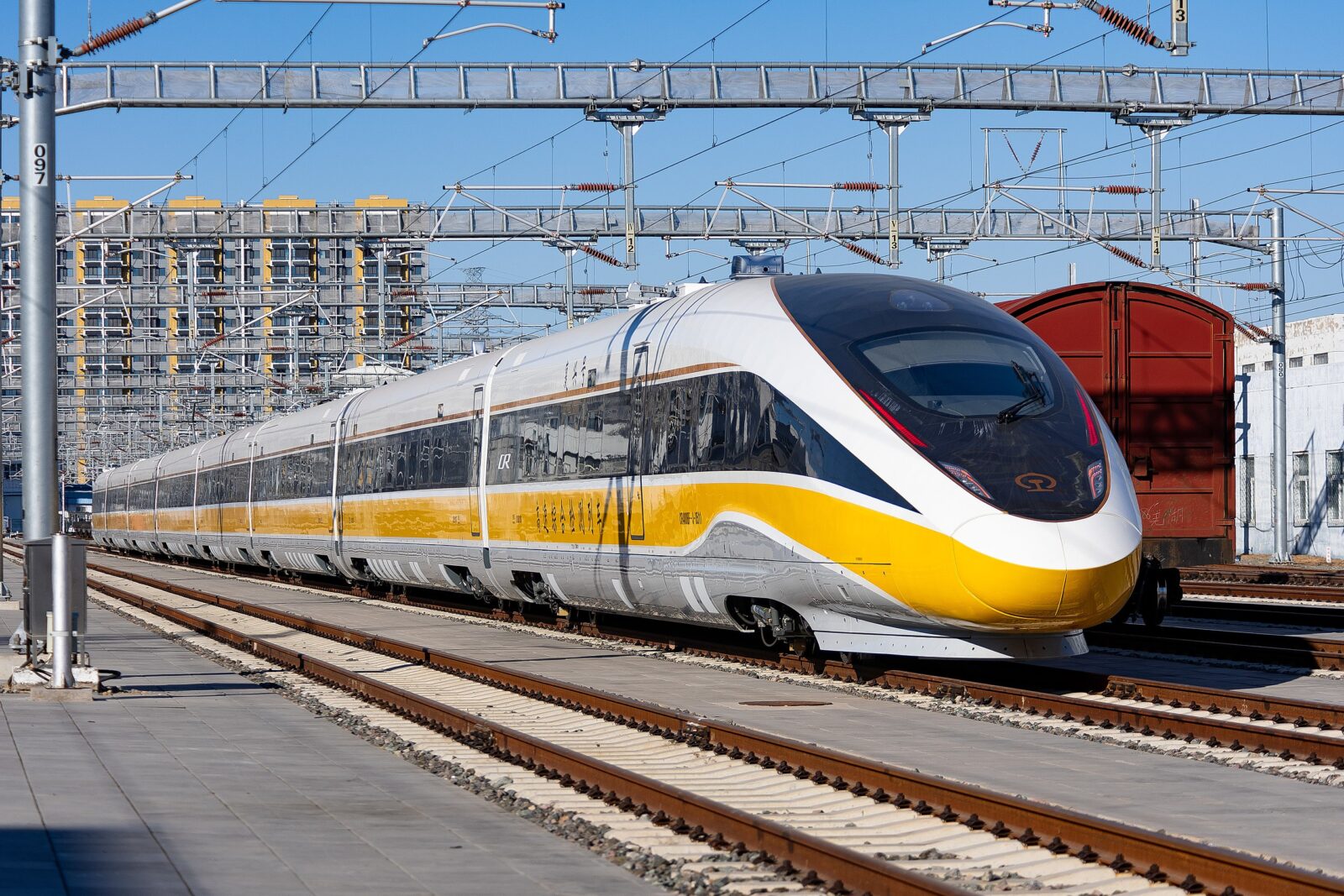
Discover the World of Trains and Modern Rail Systems
Discover the World of Trains and Modern Rail Systems – Trains have been part of human progress for centuries, quietly shaping how cities grow, economies move, and people connect. From the early steam locomotives to today’s high-speed rail networks, trains continue to evolve while remaining one of the most reliable and efficient transportation systems in the world.
In the modern era, rail systems are no longer just about moving passengers from one station to another. They represent innovation, sustainability, and smart urban planning. Exploring the world of trains means understanding how traditional railways blend with modern technology to meet today’s global transportation needs.
The Evolution of Trains Through History
The story of trains began during the Industrial Revolution, when steam-powered locomotives transformed land travel. What once took days by horse or carriage could suddenly be completed in hours. Railways opened new trade routes, connected remote regions, and fueled industrial growth across Europe, America, and Asia.
As technology advanced, diesel and electric trains replaced steam engines. These newer systems offered greater efficiency, higher speeds, and lower operating costs. Over time, rail networks expanded into complex systems with signaling technology, electrified tracks, and advanced safety mechanisms.
From Steam Engines to Electric Power
Steam trains were revolutionary in their time, but they required large amounts of coal and water. Diesel engines improved performance and range, while electric trains marked a major leap forward. Electric rail systems are cleaner, quieter, and capable of supporting high-speed travel, making them ideal for densely populated regions.
Today, many countries invest heavily in electric rail infrastructure to reduce emissions and dependence on fossil fuels.
Modern Rail Systems in Today’s World
Modern rail systems are designed to meet the demands of fast-paced urban life and long-distance travel. High-speed trains, metro systems, and automated rail networks have become essential components of modern transportation.
Countries like Japan, France, China, and Germany are known for their advanced rail technology. High-speed trains can reach speeds exceeding 300 km/h, offering a competitive alternative to air travel for medium-distance routes.
High-Speed Rail and Its Global Impact
High-speed rail has changed how people travel between major cities. Passengers enjoy shorter travel times, comfortable cabins, and reliable schedules. Unlike airports, train stations are often located in city centers, reducing overall travel time and stress.
This type of rail system also supports economic growth by encouraging tourism, business travel, and regional development. Cities connected by high-speed rail often experience increased investment and improved accessibility.
Urban Rail and Metro Networks
In large cities, metro and light rail systems play a critical role in daily commuting. These networks reduce traffic congestion, lower pollution levels, and provide affordable transportation options for millions of people.
Modern metro systems are increasingly automated, using smart signaling and real-time monitoring to ensure safety and efficiency. Many cities are expanding their rail networks as part of long-term urban planning strategies.
Technology Driving the Future of Railways
Innovation continues to push rail systems forward. Digital signaling, artificial intelligence, and predictive maintenance are becoming standard features in modern rail operations. These technologies help prevent delays, reduce maintenance costs, and improve passenger safety.
Train control systems now rely on advanced software that can monitor speed, track conditions, and traffic flow in real time. This allows operators to manage busy rail networks with greater precision and reliability.
Smart Trains and Automation
Automation is reshaping the railway industry. Driverless metro systems already operate in several major cities, providing consistent service with minimal human intervention. Smart trains can adjust speed automatically, optimize energy use, and respond quickly to changing conditions.
These advancements make rail transport not only faster but also more dependable, especially in high-traffic urban environments.
Sustainability and Environmental Benefits
One of the strongest advantages of trains is their environmental performance. Rail transport produces significantly lower carbon emissions compared to cars and airplanes, especially when powered by electricity from renewable sources.
Governments around the world are promoting rail travel as part of their climate goals. Expanding rail networks helps reduce road congestion, fuel consumption, and air pollution.
Railways and Green Transportation
Modern rail systems are designed with sustainability in mind. Energy-efficient trains, regenerative braking systems, and eco-friendly station designs all contribute to a smaller environmental footprint.
As climate concerns grow, trains are positioned as a key solution for sustainable mass transportation in both urban and intercity travel.
Why Trains Remain Relevant Today
Despite rapid advancements in aviation and road transport, trains remain highly relevant. They offer a unique balance of comfort, efficiency, and affordability. For daily commuters, long-distance travelers, and freight transport, railways continue to deliver dependable service.
Trains also provide a travel experience that many passengers prefer. Scenic routes, spacious seating, and the ability to move freely during the journey make rail travel appealing and relaxing.
The Global Future of Rail Systems
Looking ahead, the future of trains and modern rail systems is full of potential. Projects like ultra-high-speed rail, magnetic levitation trains, and cross-border rail networks are already under development.
As populations grow and cities become more congested, efficient rail transportation will be more important than ever. Investment in rail infrastructure reflects a long-term commitment to mobility, sustainability, and economic growth.
Conclusion
Discovering the world of trains and modern rail systems reveals more than just transportation technology. It highlights how innovation, history, and sustainability come together to shape the way people move across regions and cities.
From early steam locomotives to cutting-edge high-speed rail, trains continue to evolve while maintaining their essential role in global transportation. As modern rail systems expand and improve, they will remain a cornerstone of efficient and eco-friendly travel for generations to come.
Railway Systems Past Present and Future Explained
Railway Systems Past Present and Future Explained – Railway systems have played a crucial role in shaping modern civilization. From the early days of steam-powered locomotives to today’s high-speed electric trains, rail transport has continuously evolved to meet the demands of society. Understanding the past, present, and future of railway systems helps us see why trains remain one of the most reliable and important transportation methods in the world.
This article explores how railway systems began, how they operate today, and where they are heading in the future, with a clear and friendly explanation for readers of all backgrounds.
The Early History of Railway Systems
The history of railway systems dates back to the early 19th century, during the Industrial Revolution. At that time, growing industries needed faster and more efficient ways to transport raw materials and finished goods. Traditional road transport using horses and carts was slow and expensive, which created the perfect opportunity for railways to emerge.
The first railway systems used steam locomotives powered by coal. These early trains ran on iron tracks and were mainly designed to move heavy cargo such as coal, iron, and agricultural products. Soon after, passenger railways began to appear, transforming how people traveled between cities and regions.
Steam Power and Industrial Growth
Steam-powered trains quickly became symbols of progress. They allowed factories to expand, cities to grow, and trade to flourish. Railways connected rural areas to urban centers, creating new economic opportunities and changing daily life forever.
Despite their benefits, early railway systems also had limitations. Steam locomotives required constant maintenance, consumed large amounts of fuel, and produced significant pollution. Even so, for many decades, steam trains dominated railway networks across Europe, North America, and parts of Asia.
The Transition to Modern Railway Systems
As technology advanced, railway systems began to change. The 20th century marked a major transition from steam power to diesel and electric trains. This shift improved efficiency, reduced operating costs, and made rail transport more reliable.
Diesel locomotives became popular because they were easier to maintain and could travel longer distances without refueling. Electric trains, on the other hand, offered cleaner energy use and better performance, especially in urban and suburban networks.
Railway Systems in the Present Day
Today, railway systems are more advanced than ever. Modern trains are designed with passenger comfort, safety, and speed in mind. Many countries rely on rail transport as a backbone of public transportation, moving millions of people every day.
High-speed rail systems are a perfect example of how far railway technology has come. Trains capable of traveling over 300 kilometers per hour now connect major cities in countries like Japan, France, and China. These systems reduce travel time significantly and offer a strong alternative to air travel for medium-distance routes.
Digital signaling systems, automated controls, and real-time monitoring have also improved railway safety. Accidents are far less common compared to the early days, making trains one of the safest modes of transportation.
The Importance of Railway Systems in Modern Society
Railway systems play a vital role in supporting economic growth and sustainable development. They provide an efficient way to transport goods, reduce traffic congestion, and lower carbon emissions compared to road transport.
In many urban areas, commuter rail and metro systems help reduce dependence on private cars. This not only saves time for commuters but also helps cities manage pollution and energy consumption.
Freight railways are equally important. They move massive quantities of goods across long distances, supporting global supply chains. From food and fuel to construction materials, railway systems keep industries running smoothly.
The Future of Railway Systems
Looking ahead, the future of railway systems is focused on innovation, sustainability, and smart technology. Governments and private companies are investing heavily in next-generation rail solutions to meet growing transportation demands.
Green and Sustainable Rail Transport
One of the main goals for future railway systems is reducing environmental impact. Electric trains powered by renewable energy sources are becoming more common. Hydrogen-powered trains are also being tested as a cleaner alternative for routes where electrification is difficult.
These green railway systems aim to lower carbon emissions while maintaining high performance. As climate concerns grow, rail transport is expected to play an even bigger role in sustainable mobility.
Smart Technology and Automation
Automation is another major trend shaping the future of railway systems. Driverless trains are already operating in some metro networks around the world. Advanced sensors, artificial intelligence, and data analytics help optimize train schedules, improve safety, and reduce delays.
Smart railway infrastructure allows operators to predict maintenance needs before problems occur. This reduces downtime and extends the lifespan of railway assets, making systems more cost-effective in the long run.
Expanding High-Speed Rail Networks
High-speed rail continues to expand globally. Many countries are planning new routes to connect major economic hubs. These projects aim to reduce travel time, boost regional development, and provide a competitive alternative to short-haul flights.
In the future, even faster train technologies such as magnetic levitation systems may become more widespread. These trains have the potential to reach incredible speeds while offering a smooth and quiet ride.
Why Railway Systems Will Remain Relevant
Despite rapid changes in transportation technology, railway systems are expected to remain highly relevant. Their ability to move large numbers of people and goods efficiently gives them a unique advantage over other transport modes.
Railways also adapt well to technological change. From steam engines to electric power and now smart automation, railway systems have proven their ability to evolve with the times.
As cities grow and environmental challenges increase, trains offer a practical solution that balances speed, capacity, and sustainability. This makes railway systems an essential part of future transportation planning.
Conclusion
Railway systems have come a long way since their humble beginnings in the Industrial Revolution. From steam-powered locomotives to high-speed electric trains, they have continuously adapted to meet the needs of society. Today, modern railway systems support economic growth, improve mobility, and contribute to a cleaner environment.
Looking forward, innovations in green energy, automation, and high-speed technology will shape the next chapter of railway development. By understanding the past, present, and future of railway systems, it becomes clear why trains will continue to play a key role in global transportation for generations to come.
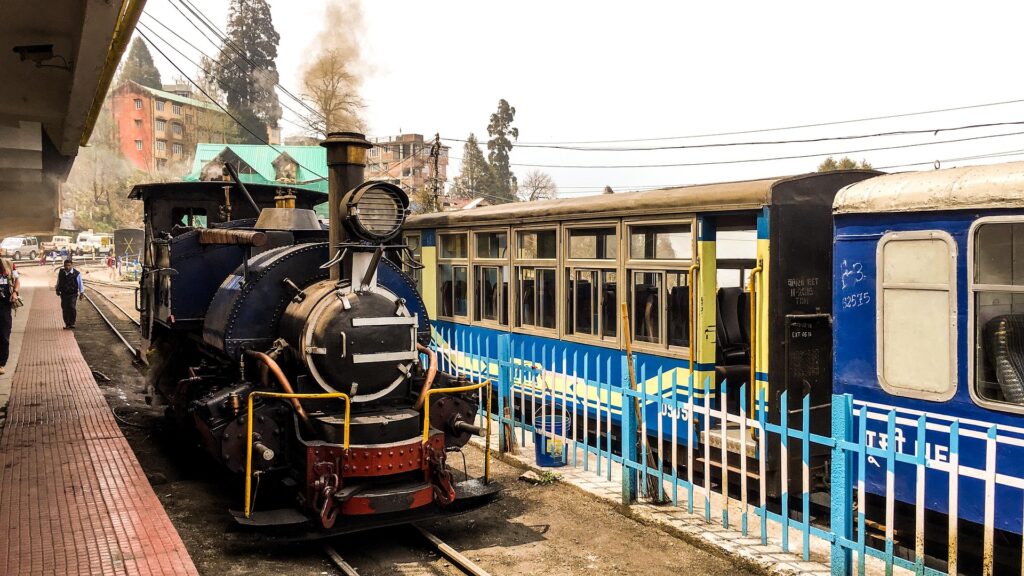
Railway World: Routes Systems and Train Culture
Railway World: Routes Systems and Train Culture – Railways have shaped the modern world in ways that few other transport systems can match. From connecting distant cities to influencing local cultures, the railway world is far more than steel tracks and moving trains. It is a complex network of routes, systems, and traditions that continue to evolve while carrying deep historical roots. Understanding how railways work and how they influence societies offers a fascinating look into global transportation and human connection.
The Global Importance of Railway Routes
Railway routes form the backbone of national and international transportation networks. These routes are carefully planned to link economic centers, industrial zones, ports, and residential areas. In many countries, railways were the first large-scale infrastructure projects, setting the foundation for urban development and trade expansion.
In Europe, dense railway routes allow people to travel between countries in just a few hours, making trains a preferred option over air travel for short and medium distances. Meanwhile, countries like the United States and Canada rely heavily on long-distance rail routes for freight, moving massive volumes of goods efficiently across vast landscapes.
Asia showcases another dimension of railway routes, especially with the rise of high-speed rail. Japan’s Shinkansen and China’s expansive high-speed network demonstrate how railways can redefine mobility, reducing travel time while maintaining safety and comfort.
Strategic Planning Behind Rail Networks
Railway routes are not randomly placed. Geography, population density, and economic priorities all play a role in route development. Mountainous regions require tunnels and bridges, while flat areas allow for straighter, faster tracks. Coastal routes often connect ports to inland logistics hubs, ensuring smooth supply chains.
Modern railway planning also considers environmental impact. Rail transport produces fewer emissions compared to road and air travel, making it a key component in sustainable transportation strategies worldwide.
Railway Systems That Keep Trains Moving
Behind every smooth train journey lies a complex railway system working in perfect coordination. These systems include signaling, power supply, track maintenance, and operational control centers. Each element must function properly to ensure safety and efficiency.
Traditional rail systems relied heavily on manual signaling and human oversight. Today, automation and digital technology play a major role. Advanced signaling systems can monitor train positions in real time, reducing the risk of collisions and improving punctuality.
High-Speed vs Conventional Rail Systems
High-speed rail systems are designed differently from conventional railways. Tracks are straighter, curves are wider, and signaling is often fully automated. These systems require dedicated lines to maintain high speeds safely, often exceeding 300 kilometers per hour.
Conventional rail systems, on the other hand, are more flexible. They serve mixed traffic, including passenger trains, freight trains, and regional services. While slower, they are essential for local connectivity and economic stability in rural and suburban areas.
Both systems coexist in many countries, each serving a specific purpose within the broader railway ecosystem.
The Human Side of Train Culture
Train culture is an often-overlooked aspect of the railway world. For many people, trains are not just transportation tools but part of daily life and personal identity. Commuters build routines around train schedules, while travelers associate train journeys with comfort, reflection, and scenic views.
In countries like India, trains are deeply woven into social life. Long-distance journeys become shared experiences where strangers talk, eat together, and form temporary communities. In Japan, train etiquette is a cultural standard, emphasizing quietness, order, and respect for shared space.
Railways in Popular Culture and Media
Trains have long captured the imagination of writers, filmmakers, and artists. From classic novels to modern movies, railways often symbolize movement, change, and adventure. Steam locomotives evoke nostalgia, while futuristic trains represent progress and innovation.
Railway museums and heritage railways also play a role in preserving this cultural legacy. They allow new generations to experience historical trains and understand how rail transport evolved over time.
Freight Rail and Economic Impact
While passenger trains receive much attention, freight rail is equally important in the railway world. Freight trains transport raw materials, agricultural products, fuel, and manufactured goods. This form of transport is highly cost-effective and energy-efficient, especially for bulk cargo.
Many industries rely on rail freight to maintain stable supply chains. Ports, factories, and distribution centers are often directly connected to rail networks, reducing reliance on road transport and lowering logistical costs.
In developing economies, expanding freight rail infrastructure can significantly boost trade and industrial growth. It opens access to markets that were previously difficult to reach, encouraging regional development.
The Future of the Railway World
Railways continue to adapt to changing technological and social demands. Digital ticketing, smart stations, and predictive maintenance systems are becoming standard features. Artificial intelligence is being used to optimize schedules and manage traffic flow more efficiently.
Sustainability is another major focus. Electrification of rail lines and the use of renewable energy sources are reducing the environmental footprint of railway operations. Some countries are also experimenting with hydrogen-powered trains as an alternative to diesel.
Railways and Urban Mobility
In growing cities, railways are central to solving traffic congestion and pollution. Urban rail systems such as metros, light rail, and commuter trains provide reliable alternatives to private vehicles. Integrated transport systems allow seamless transfers between trains, buses, and other modes of transport.
As urban populations increase, investment in rail-based mobility is expected to grow, reinforcing the role of railways in everyday life.
Why Railways Still Matter Today
Despite competition from cars and airplanes, railways remain one of the most efficient and dependable transport options. They offer a balance of speed, capacity, and sustainability that few other systems can match. From historic routes to cutting-edge high-speed lines, the railway world continues to connect people, cultures, and economies.
Railways are not just infrastructure; they are living systems shaped by technology, geography, and human behavior. As the world moves toward more sustainable and connected futures, railways will remain at the heart of global transportation.
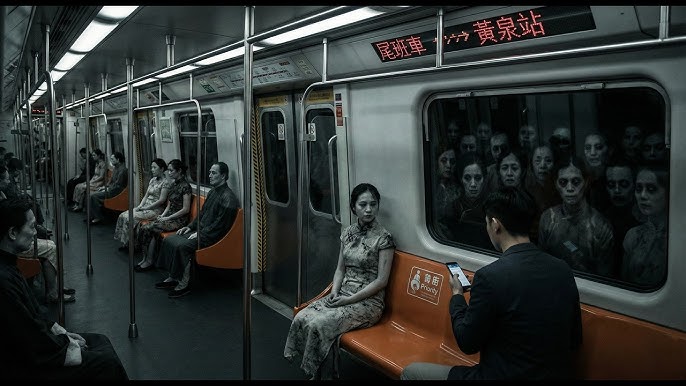
Asia’s Most Mysterious Ghost Trains Revealed
Asia’s Most Mysterious Ghost Trains Revealed – Trains have always fascinated travelers and storytellers alike, but in Asia, some railways carry more than just passengers. Hidden in the shadows of history and local legends, ghost trains have captured imaginations for decades. These spectral locomotives are said to appear without warning, vanish into misty nights, or carry passengers who never reach their destination. Today, we explore some of Asia’s most mysterious ghost trains and the stories that surround them.
The Legend of Thailand’s Haunted Train Tracks
In Thailand, ghost trains are more than just folklore. One of the most famous is said to haunt the tracks near the northern city of Chiang Mai. Locals recount eerie experiences of hearing train whistles late at night when no trains were scheduled. Travelers have reported seeing glowing lights moving along abandoned tracks, only to disappear as they approached.
The stories are often linked to tragic accidents from decades past. Families who lost loved ones in railway incidents are said to haunt the tracks, ensuring that the memories of those lost are never forgotten. Whether real or imagined, these tales have made the Thai railway a popular subject for thrill-seekers and paranormal enthusiasts.
Spirits of the Old Stations
Many ghost train legends are tied to abandoned stations. Thailand has several old railway stops where no trains run anymore. Visitors report sudden chills, unexplained sounds of wheels on rails, and even glimpses of shadowy figures waiting as if for a train that will never come. These stations have become unofficial landmarks for those chasing ghostly encounters.
Japan’s Phantom Trains: Between Myth and Reality
Japan, with its rich folklore, has a number of ghost train stories, some rooted in urban legends, others tied to historical events. One particularly eerie tale comes from a train line in the countryside where travelers claim to see a spectral train appear in the dead of night, full of passengers dressed in old-fashioned uniforms. The train reportedly vanishes before reaching the next station, leaving only silence and a lingering sense of dread.
Japanese ghost trains often reflect deeper cultural beliefs about spirits, loss, and unfinished business. Some are thought to carry the souls of workers who perished during the construction of railway lines. Others appear to remind the living of tragic accidents that should never be forgotten.
The Cultural Impact of Japan’s Ghost Trains
Ghost trains in Japan are more than spooky stories; they influence literature, films, and even tourism. Certain stations known for paranormal activity attract visitors who hope to glimpse the mysterious trains. These trains serve as reminders of the country’s history, blending supernatural tales with lessons about mortality and respect for the past.
India’s Phantom Railways
India, home to one of the largest railway networks in the world, also has its share of ghost train tales. One famous story revolves around a train that supposedly runs without a driver on a rural track in northern India. Locals insist that the train appears late at night, gliding silently past villages before disappearing into the darkness.
Some legends attribute these ghost trains to restless spirits of passengers who died on crowded trains or in tragic accidents. Others suggest they are omens, appearing to warn travelers of danger. Despite skepticism from authorities, the stories persist and have become an integral part of local folklore.
The Haunted Ghat Lines
Certain mountain railway lines, particularly in hilly regions of India, are infamous for ghost sightings. Travelers report sudden drops in temperature, strange sounds echoing through tunnels, and fleeting images of trains appearing on tracks where no service exists. These ghostly experiences continue to fuel curiosity and local storytelling traditions.
Malaysia and Singapore’s Spectral Rails
In Malaysia and Singapore, ghost train stories are less widespread but equally intriguing. In Malaysia, a stretch of abandoned track in the jungles near old mining towns is said to be haunted by a train that only appears during misty nights. Residents claim that the train whistle echoes eerily, and some have even reported seeing lights moving along the track with no train in sight.
Singapore, while a modern urban hub, has its own ghostly legend tied to a forgotten railway line. Stories suggest that the ghost train is linked to historical events, including the evacuation of towns during wartime. Passengers are said to feel an unnatural cold and the sense that they are traveling through a time long past.
Why These Ghost Trains Persist
In Southeast Asia, ghost train stories persist because railways have historically been lifelines of communities. Accidents, lost lives, and historical upheavals leave strong impressions on local memory. Over time, these memories blend with imagination, creating tales that entertain, terrify, and even teach lessons about caution and respect for the past.
The Science and Psychology Behind Ghost Trains
While the stories are captivating, some researchers suggest there are natural explanations. Foggy nights, reflections of lights, and long stretches of empty track can create illusions of moving trains. Our brains are wired to find patterns, and in the eerie silence of abandoned lines, it’s easy to imagine ghostly forms.
However, dismissing these legends entirely may overlook their cultural importance. Ghost train stories often serve as historical markers, reminding communities of past events, lost lives, and lessons from the railway’s history. They blend memory, fear, and fascination into a narrative that has endured for generations.
Why Ghost Trains Capture Our Imagination
There’s something uniquely compelling about ghost trains. They combine the thrill of travel, the unknown, and the supernatural in a single experience. Across Asia, they reflect regional history, folklore, and the human fascination with life, death, and what might lie beyond.
Whether you are a skeptic or a believer, the ghost train legends of Asia continue to inspire curiosity. They show that railways are more than steel and schedules; they are vessels of stories, memories, and the mysteries that keep us looking over our shoulders at night.
Conclusion: Riding the Tracks of Mystery
From Thailand to Japan, India to Malaysia, ghost trains are woven into the cultural fabric of Asia. Each story, whether frightening or melancholy, reminds us of the power of railways—not just as transportation, but as carriers of history and human experience.
These spectral trains are more than myths. They reflect the deep connection between people and the railways that shaped their lives. As night falls and the tracks lie quiet, the possibility of a ghost train emerging keeps imaginations alive, proving that some mysteries never truly fade.
From Steam to Speed: The Evolution of Trains
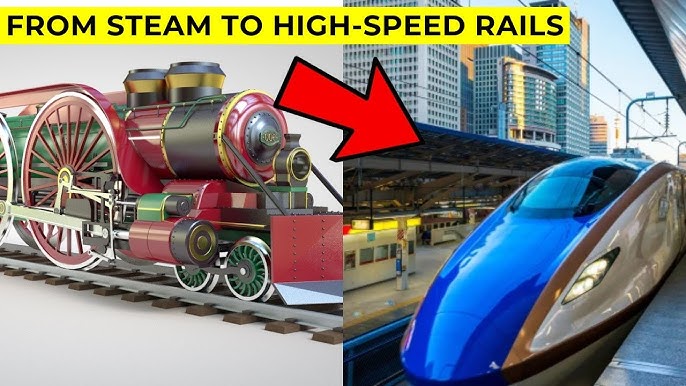
From Steam to Speed: The Evolution of Trains – Trains have always played a massive role in shaping modern civilization. Long before airplanes filled the skies and highways dominated the land, railways connected cities, industries, and people. The story of trains is not just about machines, but about progress, ambition, and the constant push for speed and efficiency.
From the early days of steam-powered locomotives to today’s high-speed and magnetic levitation trains, rail transport has evolved dramatically. Each phase reflects the technological mindset and needs of its era, making trains one of the most fascinating inventions in human history.
The Birth of Steam Trains and Industrial Power
The evolution of trains began in the early 19th century with steam locomotives. These machines emerged during the Industrial Revolution, a time when factories needed faster ways to move raw materials and finished goods.
Steam trains used coal-fired boilers to produce steam, which powered pistons connected to wheels. While primitive by modern standards, they were revolutionary at the time. Suddenly, transportation was no longer dependent on horses or waterways alone.
Railways expanded rapidly across Europe and North America. Towns grew around train stations, trade flourished, and travel times were reduced from days to mere hours. Steam trains became symbols of industrial strength and national pride.
Steam Trains and Social Change
Steam locomotives didn’t just transform industry. They reshaped society. People could travel farther for work, leisure, or education. Newspapers, mail, and fresh food moved faster than ever before.
Railways also standardized time. Before trains, local time varied from town to town. The need for train schedules led to the creation of time zones, a change that still affects daily life today.
The Shift to Diesel and Electric Trains
By the early 20th century, steam trains began to show their limitations. They required heavy maintenance, large crews, and constant fuel and water supplies. This opened the door for diesel and electric trains.
Diesel locomotives offered better efficiency and reliability. They were easier to operate and cheaper to maintain, making them ideal for long-distance freight and passenger services. Many countries began phasing out steam engines in favor of diesel power.
Electric trains, on the other hand, brought cleaner and quieter operation. Powered by overhead wires or third rails, electric locomotives became popular in urban areas and busy corridors where pollution and noise were major concerns.
Why Electric Trains Changed Everything
Electric trains allowed for faster acceleration and higher speeds. This made them perfect for commuter systems and metro networks. Cities like London, New York, and Tokyo built extensive electric rail systems that still serve millions of passengers every day.
The shift from steam to electric marked a turning point. Trains were no longer just industrial tools; they became essential components of modern urban life.
The Rise of High-Speed Rail
The next major leap in the evolution of trains came with high-speed rail. In 1964, Japan introduced the Shinkansen, also known as the bullet train. This innovation redefined what rail travel could be.
High-speed trains operate on specially designed tracks and can reach speeds exceeding 300 km/h. They combine advanced aerodynamics, powerful electric motors, and sophisticated safety systems.
Countries like France, China, Germany, and Spain followed Japan’s lead, investing heavily in high-speed rail networks. These trains compete directly with airplanes on short and medium-distance routes, offering comfort, reliability, and lower environmental impact.
Speed Meets Sustainability
High-speed trains are not just fast; they are also energy-efficient. Compared to air travel and cars, they produce significantly fewer carbon emissions per passenger.
As governments focus more on sustainable transportation, high-speed rail is often seen as a key solution. It supports economic growth while reducing dependence on fossil fuels.
Maglev and the Future of Train Technology
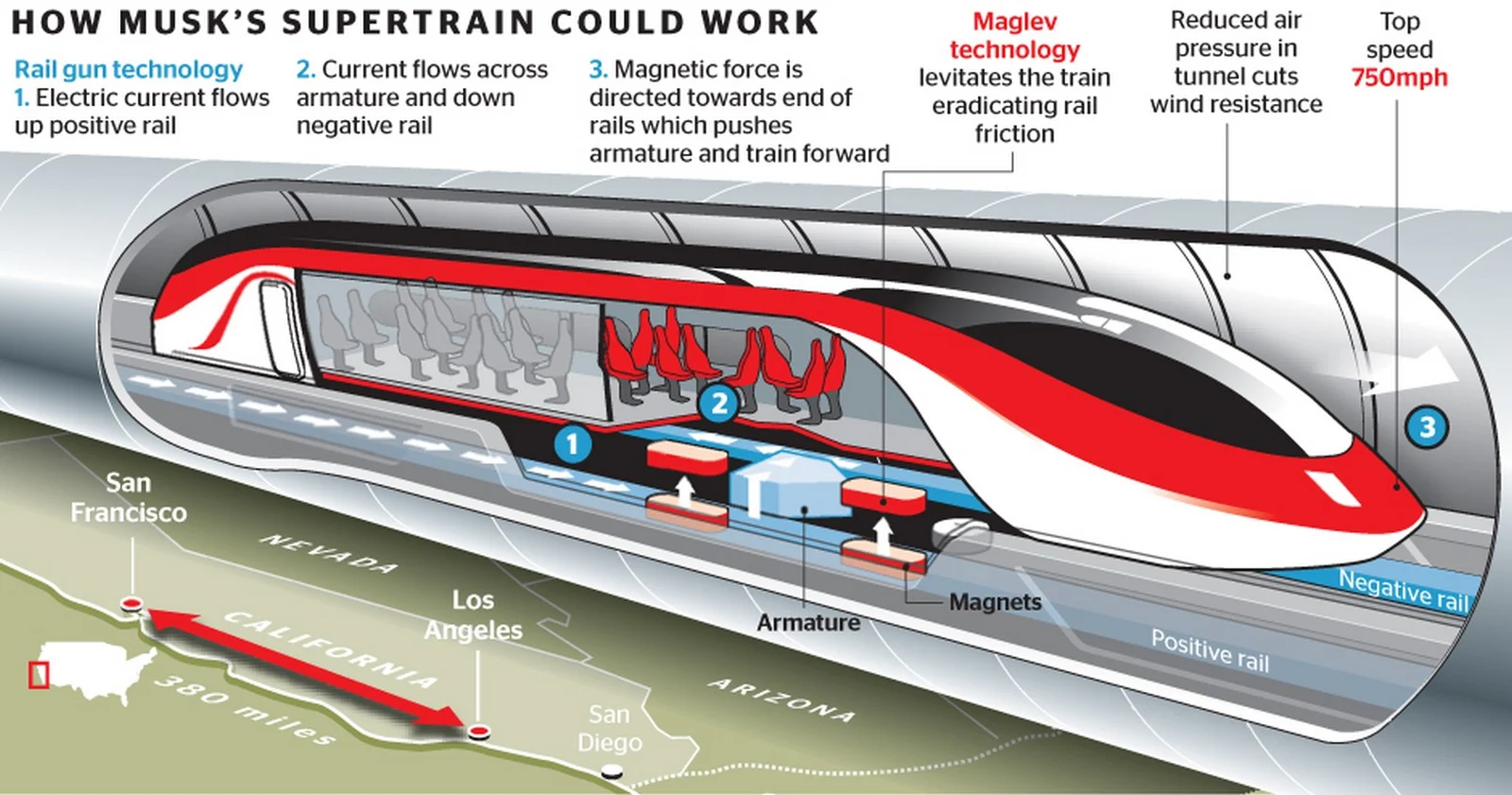
At the cutting edge of train evolution lies magnetic levitation, commonly known as maglev. Unlike traditional trains, maglev systems use powerful magnets to lift the train above the track, eliminating friction.
This technology allows trains to reach incredible speeds, sometimes exceeding 600 km/h in test conditions. China currently operates the most well-known commercial maglev line, showcasing the potential of this futuristic transport.
While maglev systems are expensive to build, ongoing research aims to make them more accessible. As technology advances, they may become a viable option for long-distance travel in the future.
Smart Trains and Digital Railways
Beyond speed, modern trains are becoming smarter. Artificial intelligence, automation, and real-time data systems are being integrated into rail networks. These technologies improve safety, efficiency, and passenger experience.
Driverless trains already operate in some metro systems, and predictive maintenance helps prevent breakdowns before they happen. The railway of the future is as much digital as it is mechanical.
Why Trains Still Matter Today
Despite competition from planes and cars, trains remain one of the most reliable forms of transportation. They move massive numbers of people and goods efficiently, especially in densely populated regions.
Railways also play a crucial role in reducing traffic congestion and environmental impact. As cities grow and climate concerns intensify, trains offer a practical and scalable solution.
From steam-powered giants to sleek high-speed machines, trains continue to evolve. They reflect humanity’s ongoing desire to move faster, smarter, and more sustainably.
Conclusion: A Journey That Never Stops
The evolution of trains is a story of innovation and adaptation. Each era introduced new technologies that reshaped transportation and society. Steam trains powered industrial growth, diesel and electric trains modernized railways, and high-speed trains brought efficiency and sustainability into focus.
As we look ahead, the journey is far from over. With maglev systems, smart railways, and greener energy sources, trains are set to remain a vital part of global transportation for generations to come.
From steam to speed, the railway journey continues—always moving forward.
Top 10 Haunted Trains Around the World
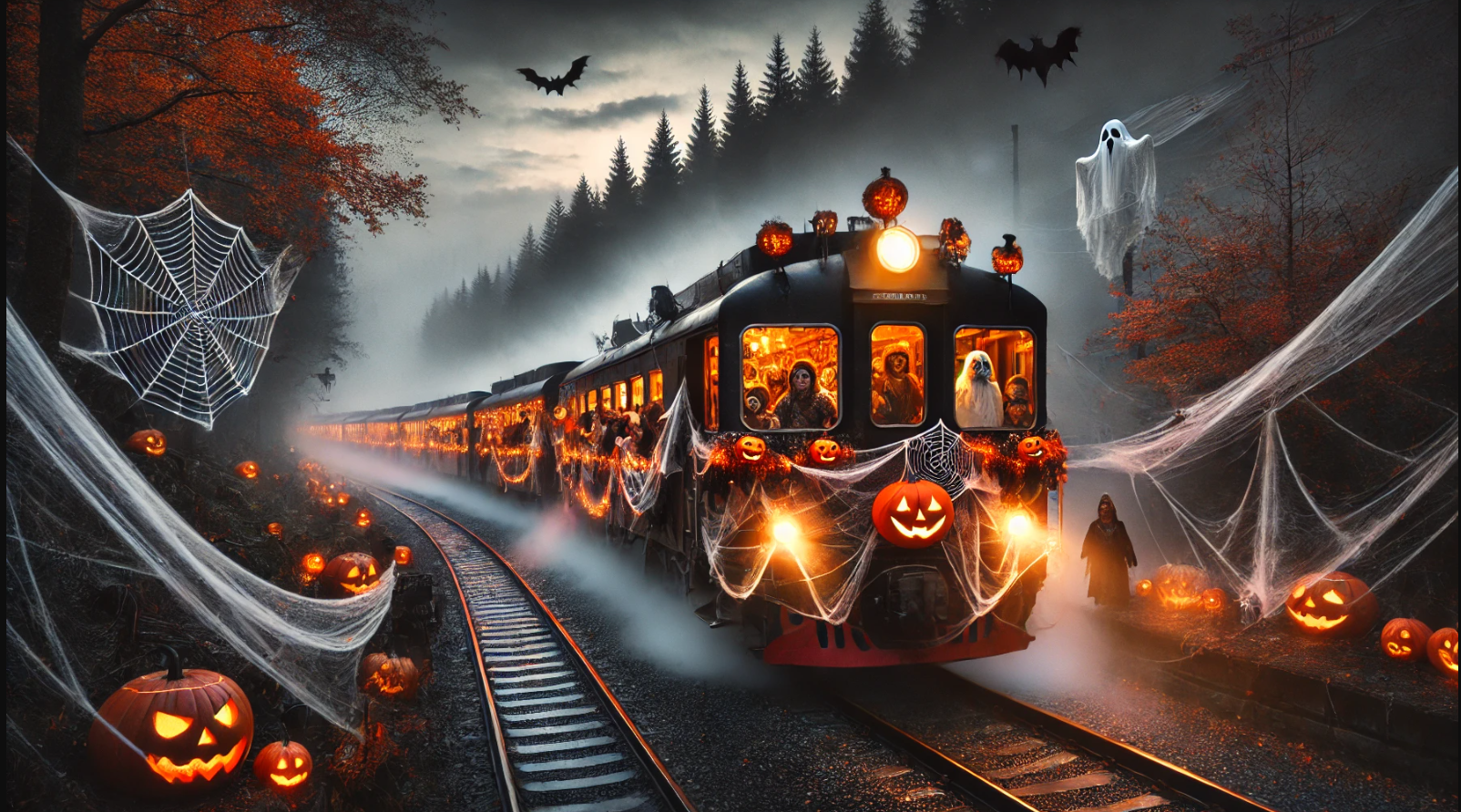
Top 10 Haunted Trains Around the World – Trains have always been a symbol of travel, adventure, and sometimes mystery. But some trains around the world carry stories far darker than mere travel tales. Haunted trains, whether abandoned or still in operation, capture the imagination of thrill-seekers and paranormal enthusiasts alike. From ghostly apparitions to unexplained noises and eerie sightings, these trains are legendary for a reason.
Exploring haunted trains isn’t just about fear—it’s about history, culture, and the stories that linger long after the last passenger has left the carriage. Here’s a look at ten of the most haunted trains around the world that continue to fascinate travelers and ghost hunters alike.
The Ghost Train of New Orleans, USA
New Orleans, a city rich in history and mystique, is home to one of the most infamous haunted trains in the United States. The St. Charles Streetcar line is said to carry the spirits of passengers who never reached their destination. Witnesses report sudden cold spots, flickering lights, and ghostly figures appearing in the shadows of empty carriages.
Locals believe that the spirits of those who died in accidents on the tracks continue to roam the trains at night. Tours of the city often include stories of the haunted streetcars, blending local legend with spine-chilling experiences.
The Phantom Train of England
In England, ghost trains are more than folklore—they are part of the rail network’s mysterious history. One famous tale involves the “Midnight Flyer,” a train that allegedly appears on foggy nights along abandoned tracks in the countryside. Witnesses describe seeing a full train with lights glowing eerily through the mist, only for it to vanish moments later.
Historians suggest the story may originate from real accidents in the 19th century, but paranormal enthusiasts swear by its existence. The Phantom Train continues to inspire both writers and thrill-seekers.
Haunted Train Stations of Japan
Japan’s rail system is known for efficiency and precision, but even its modern trains have eerie stories attached. Certain stations, particularly those abandoned or rarely used, are rumored to be haunted by former passengers and station workers.
In some areas, travelers report hearing footsteps on empty platforms, or seeing ghostly commuters waiting silently for a train that never arrives. These haunted stations have become part of urban legends, drawing curious visitors who want to experience Japan’s supernatural side firsthand.
The Legend of the Okutama Line
One notable haunted line is the Okutama Line near Tokyo, where stories tell of a lone spirit that boards the train late at night. Passengers have claimed to see a woman in traditional attire walking the carriages, disappearing when approached. While there’s no official record of these events, the legend persists, adding to the line’s mystique.
The Ghost Trains of India
India’s vast railway network is also home to numerous haunted train stories. Abandoned lines and old carriages often carry tales of tragic events, including accidents, robberies, and unexplained deaths.
One famous haunted train in India is the “Shaitan Express,” a term given by locals for a route where mysterious sounds, cold drafts, and shadowy figures are reported at night. Travelers who brave the journey report feeling a presence that is impossible to explain, making it one of India’s most chilling rail experiences.
European Haunted Railways
Europe is full of history, and with history comes stories of the supernatural. Several trains across France, Germany, and Scotland have been linked to ghost sightings.
In Scotland, the haunted Waverley Line is said to carry the spirits of passengers who perished in railway accidents long ago. The sounds of ghostly whistles and unseen footsteps are frequently reported by travelers and railway staff, making it a hotspot for paranormal investigators.
The Paris Metro Specters
Even urban transit systems are not exempt. In Paris, some of the older metro lines are rumored to be haunted. Abandoned stations and maintenance tunnels reportedly host ghostly figures and strange voices. Enthusiasts claim that these spirits are linked to historic events, including accidents and wartime activities, which adds to the eerie atmosphere.
Haunted Trains in South America
South America, with its rugged landscapes and rich history, also has its share of haunted railways. In Chile and Argentina, old steam trains running through mountains and deserts have inspired stories of phantom passengers.
The trains are often linked to historical tragedies, such as accidents or outbreaks of disease during travel. Locals share tales of seeing passengers from another era, dressed in vintage clothing, who vanish when approached. These stories highlight the cultural connection between trains and memory, making them deeply haunting yet fascinating.
Australia’s Ghostly Railways
Australia’s vast outback is home to abandoned railways and historic trains, many of which are said to be haunted. The “Ghan Express,” a famous long-distance route, has its own legends of ghostly sightings along isolated tracks.
Witnesses describe hearing unexplained footsteps, doors opening and closing on their own, and fleeting shadows glimpsed through the windows. These eerie tales blend the isolation of the outback with supernatural mystery, creating a truly unique haunted train experience.
Ghost Stories in Canada
In Canada, historic railways like the Canadian Pacific Railway carry more than passengers—they carry stories of ghostly sightings. From remote stations to long night journeys across forests and mountains, travelers report unusual experiences, from sudden chills to fleeting apparitions.
One particularly haunted section is in the Rocky Mountains, where train crews have shared stories of ghostly travelers seen walking along the tracks or appearing in carriages, only to disappear without a trace. These tales continue to capture the imagination of locals and tourists alike.
Why Haunted Trains Fascinate Us
Haunted trains combine history, mystery, and human curiosity. They remind us that railways are not just about moving from point A to point B—they are part of countless human stories, tragedies, and experiences. Ghostly sightings, unexplained noises, and eerie atmospheres tap into our fascination with the unknown, blending folklore and reality in a unique way.
For paranormal enthusiasts, haunted trains are more than a thrill—they are a connection to the past and a glimpse into stories that linger long after the train has left the station.
Conclusion
From New Orleans to Japan, Europe, South America, and beyond, haunted trains continue to intrigue travelers and ghost hunters. Each train carries its own history, mystery, and set of legends that make them more than mere modes of transportation.
Exploring haunted trains allows travelers to experience history, culture, and the supernatural all at once. Whether you’re seeking a spine-tingling adventure or simply want to learn more about these eerie tales, the world’s haunted trains offer a journey like no other. The stories that linger in these carriages prove that even in a modern, fast-moving world, some spirits never truly leave the tracks.
Railway World: Trains Routes and Technology
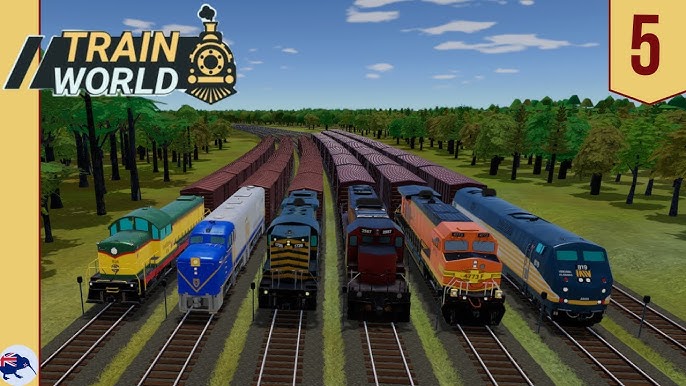
Railway World: Trains Routes and Technology – Railways have always played a vital role in shaping modern civilization. From the earliest steam-powered locomotives to today’s high-speed and autonomous trains, the railway world continues to evolve. Trains are more than just a means of transportation; they connect cities, support global trade, and reflect technological progress across generations.
In many countries, railways remain the backbone of land transportation. They offer efficiency, affordability, and reliability that few other transport systems can match. As technology advances, the railway world is entering a new era where speed, safety, and sustainability are more important than ever.
The Evolution of Trains Through Time
The story of trains began in the early 19th century with steam locomotives. These machines transformed how people and goods moved across long distances. What once took weeks by horse or ship could suddenly be completed in days. Steam trains powered industrial growth and opened access to remote regions.
Later, diesel and electric trains replaced steam engines, bringing better efficiency and lower operating costs. Electric trains, in particular, changed urban and suburban travel by offering quieter operations and reduced emissions. Today, high-speed trains like bullet trains and magnetic levitation systems represent the peak of railway engineering.
<h3>High-Speed Trains and Modern Rail Systems
High-speed rail has become a symbol of advanced infrastructure. Countries such as Japan, France, and China have invested heavily in fast rail networks that connect major cities within hours. These trains operate on dedicated tracks, using advanced signaling systems to maintain safety at extreme speeds.
Beyond speed, modern trains focus on passenger comfort and energy efficiency. Smooth acceleration, reduced noise, and improved seating layouts have made train travel more appealing than air travel for short to medium distances.
Railway Routes and Their Strategic Importance
Railway routes are carefully planned to balance geography, population, and economic needs. Major routes often connect industrial centers, ports, and capital cities, enabling smooth logistics and passenger flow. In many regions, railways serve as critical trade corridors that support both domestic and international commerce.
Historic railway routes still influence modern transportation patterns. Many current lines follow paths established decades or even centuries ago. These routes helped shape cities, towns, and economic hubs that continue to thrive today.
Urban, Regional, and International Rail Networks
Urban rail systems such as metros and light rail help reduce traffic congestion and pollution in large cities. They provide a reliable daily transport option for millions of commuters. Regional railways connect smaller towns to major urban centers, supporting balanced economic development.
International rail routes are becoming increasingly important, especially in regions like Europe and Asia. Cross-border rail services simplify travel, reduce reliance on air transport, and strengthen economic cooperation between countries.
Railway Technology Driving Innovation
Technology is at the heart of the modern railway world. Advanced signaling systems, automated controls, and real-time monitoring have significantly improved safety and efficiency. Digital communication between trains and control centers allows operators to manage traffic with precision.
One major breakthrough is the adoption of smart railway systems. These systems use data analytics and sensors to predict maintenance needs, reducing downtime and preventing accidents. Predictive maintenance not only saves costs but also extends the lifespan of railway infrastructure.
Automation and Smart Rail Solutions
Automation is gradually transforming train operations. Some metro systems already operate without drivers, relying on sophisticated software and fail-safe mechanisms. While long-distance autonomous trains are still under development, automation is expected to play a larger role in the future.
Smart ticketing, real-time passenger information, and AI-assisted traffic management have also improved the overall travel experience. These innovations make rail transport more user-friendly and competitive with other modes of travel.
Sustainability and the Future of Railways
Railways are considered one of the most environmentally friendly transportation options. Trains produce lower carbon emissions per passenger compared to cars and airplanes, especially when powered by electricity from renewable sources. As governments push for greener infrastructure, rail transport is gaining renewed attention.
Many countries are investing in electrification projects to replace diesel-powered trains. Others are exploring alternative energy sources such as hydrogen-powered trains, which offer zero emissions and reduced environmental impact.
Challenges and Opportunities Ahead
Despite their advantages, railways face challenges such as high infrastructure costs and complex maintenance requirements. Building new rail lines requires significant investment and long-term planning. However, the benefits often outweigh the costs when considering economic growth and environmental sustainability.
Future opportunities lie in expanding rail networks, integrating digital technologies, and improving international connectivity. As urban populations grow and climate concerns intensify, railways are expected to play a central role in global transportation strategies.
Why the Railway World Still Matters Today
In an age dominated by cars and airplanes, railways remain essential. They offer a balanced solution that combines efficiency, safety, and sustainability. Trains connect people not just physically, but economically and culturally, supporting tourism, trade, and daily life.
The railway world continues to evolve, adapting to new technologies and changing demands. From historic tracks to futuristic high-speed systems, railways represent progress in motion. As innovation continues, trains, routes, and railway technology will remain a vital part of how the world moves forward.
A Journey Through Train Systems and Railway Innovation
A Journey Through Train Systems and Railway Innovation – Trains have been an essential part of human transportation for nearly two centuries. They connect cities, countries, and even continents, enabling trade, travel, and cultural exchange. Over the years, the evolution of train systems has been remarkable, with innovations that continue to shape the way we move today. In this article, we will explore the fascinating world of railway systems, highlighting both traditional networks and modern innovations.
The Early Days of Railways
Railways first emerged in the early 19th century, changing the pace of travel forever. Steam engines, which powered the earliest trains, made it possible to transport people and goods much faster than horse-drawn carriages. These early systems were primarily built to support industrial growth, connecting mines, factories, and ports.
The appeal of trains was not just speed. They were more reliable than roads, especially in regions with rough terrain or poor weather. Over time, railways expanded across Europe, North America, and Asia, laying the foundation for modern transportation networks.
Steam Power and the Industrial Revolution
The Industrial Revolution played a key role in railway development. Steam engines allowed trains to carry heavier loads over longer distances, which boosted economies and opened new trade routes. Railways also transformed society by enabling workers to commute, tourists to explore new destinations, and businesses to expand.
The iconic steam locomotive is still celebrated today, not just as a mode of transport, but as a symbol of innovation and progress.
Modern Train Systems
Fast forward to the present, and train systems have evolved in ways early engineers could only imagine. From high-speed rail to magnetic levitation, modern trains offer unprecedented speed, efficiency, and comfort.
High-Speed Rail Networks
Countries like Japan, France, and China lead the world in high-speed rail. Japan’s Shinkansen, often called the “bullet train,” set the standard for speed and reliability. In France, the TGV connects major cities at speeds exceeding 300 kilometers per hour. China has invested heavily in high-speed rail, creating a network that rivals the size of some entire countries.
High-speed rail is more than just fast transportation. It provides an environmentally friendly alternative to air travel, reducing carbon emissions and traffic congestion. The comfort, punctuality, and convenience of these trains have made them a preferred option for millions of travelers.
Urban and Commuter Rail Systems
Urban rail networks, such as subways and commuter trains, are vital for daily city life. Cities like New York, London, and Tokyo rely on intricate metro systems to move millions of passengers every day. These networks reduce road traffic, improve air quality, and make commuting more predictable.
Modern urban rail innovations include automated trains, real-time scheduling, and digital ticketing systems. These improvements make public transit more accessible and efficient, encouraging more people to leave their cars at home.
Technological Innovations in Railways
Railway innovation doesn’t stop at speed. Technology is reshaping how trains are designed, operated, and maintained.
Electrification and Sustainability
Electrified trains are becoming the norm, replacing diesel-powered engines in many regions. Electric trains are quieter, faster, and more environmentally friendly. Countries like Norway and Switzerland are leading the charge in electrifying their entire rail networks, reducing reliance on fossil fuels.
Sustainability also extends to infrastructure. Smart signaling systems, energy-efficient stations, and regenerative braking are just a few examples of innovations that make railways greener and more cost-effective.
Maglev and Future Transportation
Magnetic levitation, or maglev, represents the next frontier in rail travel. Instead of wheels on tracks, maglev trains float above the rails using powerful magnets. This reduces friction and allows for incredible speeds, sometimes exceeding 600 kilometers per hour.
While maglev technology is still limited to certain regions, it demonstrates the potential for ultra-fast, efficient travel in the future. It’s an exciting glimpse of what transportation might look like in the next few decades.
The Role of Railways in Global Connectivity
Railways are more than just transportation; they are engines of economic growth and social connection. Freight rail networks move billions of tons of goods worldwide, from coal and steel to consumer products. Passenger trains connect rural communities with urban centers, promoting tourism and cultural exchange.
In developing countries, investment in rail infrastructure can transform economies. Efficient train systems reduce travel times, lower transportation costs, and open up new opportunities for businesses and workers.
Rail Tourism and Cultural Heritage
Train travel isn’t always about speed and efficiency. Scenic train routes have become major tourist attractions, offering a unique way to experience landscapes and cultures. Journeys like the Orient Express in Europe or the Rocky Mountaineer in Canada showcase how trains can be both a practical and luxurious way to travel.
Rail museums and preserved historical lines also play a role in keeping the legacy of early railway innovation alive. They remind us of how far transportation has come and inspire future generations of engineers and travelers.
Challenges and the Future of Railways
Despite all the advances, railways face challenges. Aging infrastructure, funding limitations, and competition from air travel and road transport are ongoing concerns. Urban congestion and land use issues also make expanding rail networks difficult in some regions.
However, the future of railways looks promising. Investments in high-speed rail, automation, and sustainable technology are reshaping the industry. Smart cities are integrating trains with buses, bicycles, and ride-sharing platforms, creating seamless mobility networks that benefit everyone.
Innovations on the Horizon
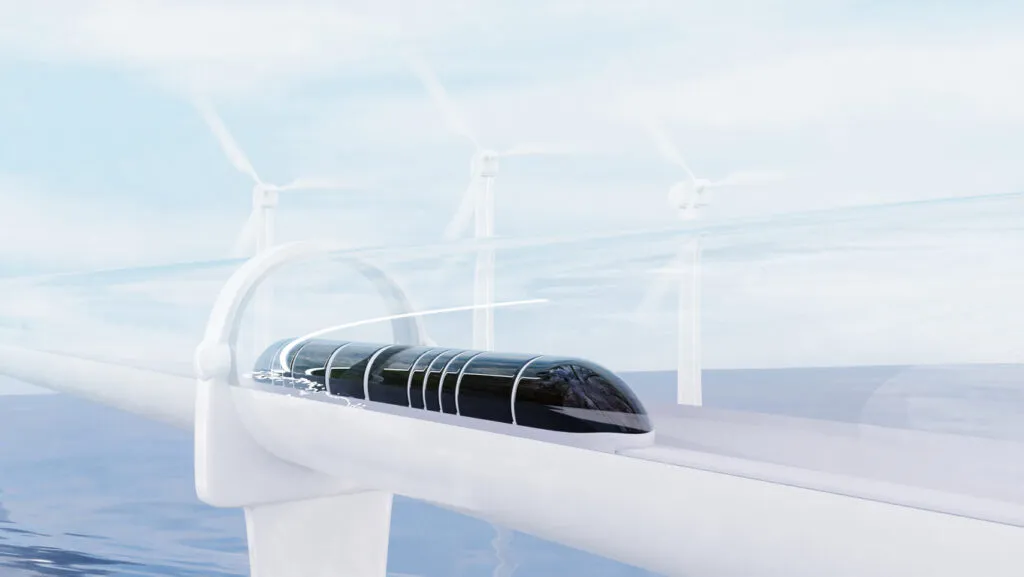
Emerging technologies, such as hyperloop systems and autonomous trains, promise to redefine travel yet again. Hyperloop concepts propose near-supersonic travel through vacuum tubes, while autonomous trains offer the potential for 24/7 service with minimal human oversight. These innovations may one day make train travel faster, safer, and more energy-efficient than ever.
Conclusion
Trains have evolved from simple steam engines to high-speed marvels and futuristic maglev systems. They continue to connect people, goods, and cultures across the globe. With ongoing innovations in speed, sustainability, and technology, the railway industry remains a vital part of modern transportation.
Exploring the world through train systems is more than just a journey from point A to point B. It is a journey through history, innovation, and the endless possibilities of human ingenuity. Whether you are commuting to work, traveling for leisure, or simply appreciating the technological achievements of railways, trains remain a symbol of progress and connection in our world.
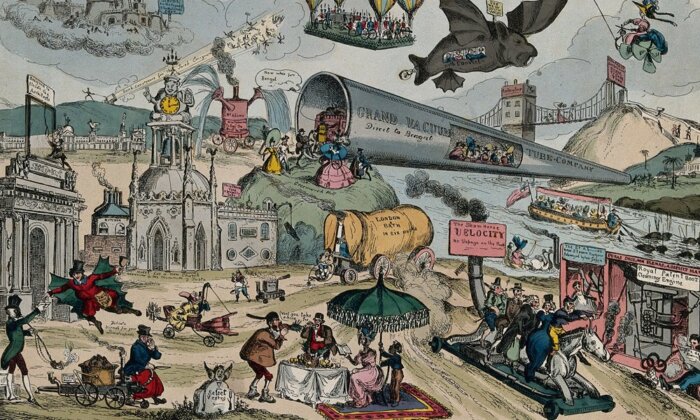
Train Tales History Routes and Modern Tech
Train Tales History Routes and Modern Tech – Railways have a way of feeling timeless. Even as cities change, trains keep rolling along the same iron paths, carrying stories from one generation to the next. From the earliest steam engines to today’s sleek, high-speed lines, trains have shaped the way we travel, work, and connect with the world. This article explores the fascinating journey of trains, the most iconic routes, and how modern technology is transforming rail travel today.
The Birth of Train Travel: A Story of Steam and Steel
The history of trains is a story of innovation and ambition. Before railways, long-distance travel was slow, expensive, and often dangerous. The arrival of steam-powered locomotives in the early 19th century changed everything. Suddenly, people could travel farther, faster, and more reliably than ever before.
Early railways were built mainly for moving goods. Coal, iron, and raw materials needed to reach factories quickly. But as rail networks expanded, passenger travel became a natural next step. The first public passenger railway opened in 1825, and it didn’t take long for rail travel to spread across Europe and North America.
Trains were more than just transportation. They symbolized progress. They connected distant towns, created new job opportunities, and helped cities grow. In many ways, railways became the backbone of modern industrial society.
Iconic Routes That Shaped the World
Some train routes are famous not just for their length or speed, but for the stories they carry. These routes became part of national identity, inspiring writers, filmmakers, and travelers for generations.
One of the most legendary routes is the Trans-Siberian Railway. Stretching across Russia, it’s the longest rail line in the world. Travelers on this route experience vast landscapes, from dense forests to frozen tundra. It’s not just a journey; it’s a living history lesson.
Another iconic route is the Orient Express. While its original luxury service ended decades ago, the legend of the Orient Express still captures the imagination. It represented glamour, mystery, and the romance of long-distance travel.
In Japan, the Shinkansen, also known as the bullet train, changed the world of rail travel. When it launched in the 1960s, it introduced the idea that trains could be fast, efficient, and incredibly reliable. It transformed commuting, business travel, and even city planning.
These routes remind us that railways are more than tracks and stations. They are stories of human ambition, culture, and connection.
Modern Technology: The Future of Rail Travel
While trains have a rich history, they are also very much part of the future. Modern rail technology is reshaping how trains operate, making travel faster, safer, and more efficient.
High-speed rail is one of the biggest changes in modern rail travel. Trains now reach speeds that were once thought impossible. This has made rail travel competitive with air travel, especially for trips under 500 miles. In many countries, high-speed trains are becoming the preferred choice for business travel and daily commuting.
But speed is not the only focus. Technology is also improving safety. Modern trains use advanced signaling systems that monitor speed and track conditions in real time. This reduces the risk of accidents and allows trains to run closer together without compromising safety.
Energy efficiency is another major trend. Many rail networks are shifting toward electric trains powered by renewable energy. This reduces carbon emissions and supports global efforts to fight climate change.
Even passenger experience has improved. Today’s trains offer better comfort, connectivity, and accessibility. Wi-Fi, charging ports, and smart ticketing systems make travel more convenient. Stations are also becoming smarter, with digital displays, mobile apps, and improved accessibility features.
Why Trains Still Matter in the Digital Age
In a world dominated by cars and airplanes, trains remain a vital part of modern transportation. They are efficient, cost-effective, and often more sustainable than other modes of travel.
Trains also play a key role in urban development. Cities with strong rail networks tend to have less traffic congestion and better air quality. Rail systems support daily commuting, making it easier for people to live in one area and work in another.
Railways also support tourism. Scenic train routes attract travelers who want to experience landscapes in a unique way. Train journeys can feel slower, but that pace allows people to enjoy the scenery and appreciate the journey itself.
The Human Side of Train Tales
At the heart of every railway is a human story. Trains connect families, friends, and communities. They carry passengers through moments of life that matter, from daily routines to once-in-a-lifetime adventures.
For many people, train travel feels personal. It’s a chance to watch the world pass by, to read, to think, or to simply enjoy the quiet rhythm of the rails. Even in an age of digital distraction, trains offer a space for reflection.
Train stations also carry their own stories. They are meeting points, gateways, and symbols of change. Some stations are architectural masterpieces, while others are simple and practical. But all of them share the same purpose: connecting people.
The Next Chapter in Rail History
The future of trains looks bright. Rail networks continue to expand, especially in regions where high-speed rail is becoming a major priority. Technology will keep improving safety, speed, and comfort.
At the same time, trains will continue to honor their history. The old steam engines and historic routes remain a powerful reminder of how far we’ve come. Train travel blends tradition with innovation, making it one of the most unique and enduring forms of transportation.
Whether you’re a history lover, a technology fan, or someone who simply enjoys the beauty of a long journey, train tales will always have something to offer. The tracks may be old, but the stories they carry are forever moving forward.