Railways After Midnight Accidents Abandoned Lines and Myths
Railways After Midnight Accidents Abandoned Lines and Myths – Railways have always fascinated people, especially when the sun goes down and darkness takes over the tracks. There’s something about trains running after midnight that sparks curiosity and sometimes fear. From eerie abandoned lines to mysterious accidents and urban legends, railways at night carry stories that capture the imagination. This article explores railways after midnight, focusing on accidents, abandoned lines, and the myths that surround them.
Nighttime Rail Accidents: Causes and Consequences
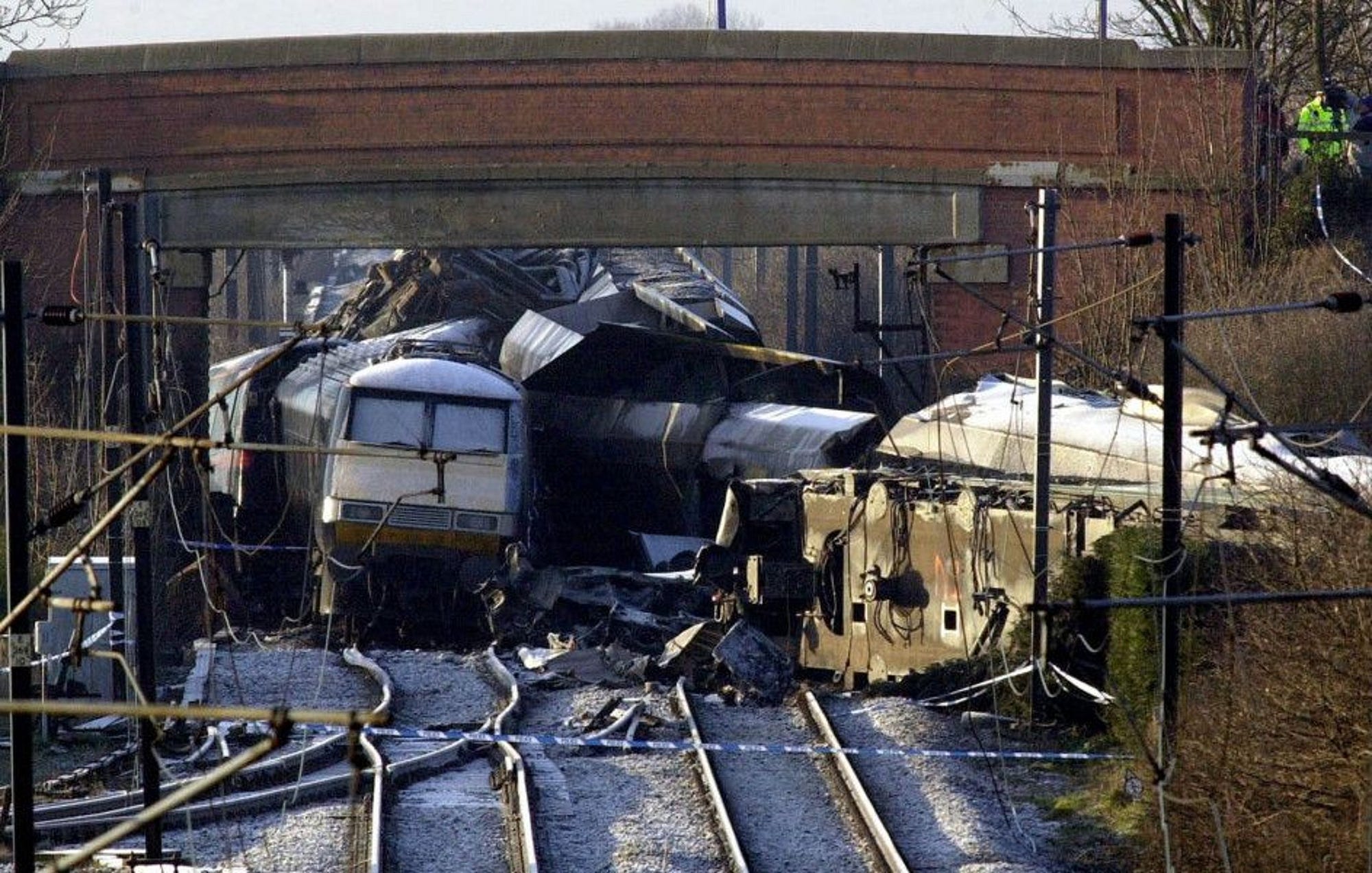
Railway accidents at night tend to draw more attention because the darkness adds a layer of danger and uncertainty. Although modern rail systems are designed with safety in mind, accidents still happen. They often involve human error, technical failures, or unforeseen environmental conditions.
Common Causes of Night Accidents
Nighttime presents unique challenges for rail operators. Visibility is limited, and workers rely on artificial lighting to inspect tracks and signals. Fatigue among train operators or maintenance crews can increase the risk of mistakes. Equipment failures, such as malfunctioning signals or braking systems, can also lead to accidents when immediate response is critical. Weather conditions like fog, heavy rain, or ice make night operations even riskier.
In some cases, accidents occur on abandoned or little-used lines. These tracks might not receive regular maintenance, and debris, broken rails, or wildlife can pose serious hazards. Even modern trains designed for night travel face difficulties on lines that haven’t been inspected or repaired recently.
Real-Life Consequences
Nighttime railway accidents can be devastating, both for human life and infrastructure. Collisions, derailments, and fires disrupt travel schedules, destroy equipment, and sometimes damage entire sections of track. Beyond the immediate impact, such accidents often leave long-term consequences for local communities, logistics networks, and rail operators’ reputations.
The media coverage of night accidents also contributes to public perception, making nighttime train travel appear riskier than it statistically is. This perception fuels myths and urban legends that linger long after an accident is resolved.
Abandoned Lines: Forgotten Railways
Railway networks are constantly evolving. New high-speed lines replace old routes, and freight corridors are rerouted for efficiency. As a result, some rail lines are abandoned, left to decay quietly in forests, fields, or urban wastelands.
Why Lines Are Abandoned
Railway lines are abandoned for several reasons. Declining passenger numbers, changes in industrial activity, or high maintenance costs make some routes unsustainable. Urban expansion and road transport alternatives sometimes replace regional rail lines, leaving tracks and stations unused. In many countries, entire networks built decades ago have been reduced to a few active corridors, while former lines become overgrown and forgotten.
Abandoned lines often attract curiosity seekers, photographers, and historians. They reveal layers of history and tell stories about how communities once depended on rail transport. However, these lines also carry dangers. Without maintenance, bridges, tunnels, and tracks deteriorate, making exploration risky.
Midnight Encounters on Abandoned Tracks
The allure of abandoned lines increases at night. Some people report seeing strange lights, hearing phantom whistles, or experiencing odd sensations near old stations and tunnels. These experiences, while often explainable, have contributed to the myths and legends surrounding railways after midnight. Urban explorers and storytellers alike thrive on these eerie accounts, keeping the mystery alive.
Rail Myths and Legends: Tales from the Tracks
Railways have inspired countless myths, particularly stories that happen after dark. From ghost trains to mysterious accidents, these tales mix history, fear, and imagination.
Ghost Trains and Phantom Stations
One of the most popular railway myths involves ghost trains. People claim to see trains that no longer exist, traveling along abandoned tracks or appearing suddenly on active lines. Some stories describe phantom passengers, flickering lights, or unexplained sounds. Often, these legends are linked to real accidents that occurred decades ago, adding a layer of historical tragedy to the supernatural tale.
Phantom stations are another common theme. Abandoned stations sometimes appear in stories as places where people disappear, hear strange noises, or sense presences. Even though these accounts are anecdotal, they are widely shared online and in local folklore, keeping the fascination with night railways alive.
Stories of Accidents and Curses
Historical railway accidents are frequently the source of myths. Major derailments, collisions, or fatal incidents can spawn stories of curses, bad luck, or restless spirits. These tales are especially popular in regions where a single railway line had a tragic history. While most myths exaggerate or distort events, they reflect collective memory and cultural responses to loss and danger.
Railway myths also serve as warnings. Tales of ghost trains or cursed tracks caution people against trespassing, exploring abandoned lines, or ignoring railway safety rules. In this way, myths blend storytelling with a form of practical advice.
The Intersection of Reality and Imagination
Railways after midnight exist in a space where fact and fiction overlap. Nighttime accidents remind us that rail travel, like any transportation system, carries risks. Abandoned lines preserve history and attract curiosity, while myths and legends reflect human imagination and cultural memory.
Despite the eerie stories, railways remain essential. Modern technology, including automated signaling, improved lighting, and predictive maintenance, ensures that night travel is safer than ever. Meanwhile, abandoned lines and myths continue to intrigue, offering glimpses into the past and sparking creativity.
Preserving Rail History While Embracing Safety
Understanding the stories of railways after midnight is not only about fascination but also about preservation and safety. Historical records, photography, and local storytelling help document abandoned lines and past accidents. At the same time, safety measures ensure that current rail operations are protected against night hazards.
Communities, rail enthusiasts, and authorities collaborate to balance curiosity with caution. Exploring old stations or abandoned tracks can be educational and inspiring if done responsibly. Modern rail safety campaigns also draw from myths and stories, reminding people that even though ghost trains might be fiction, real accidents must always be taken seriously.
Conclusion
Railways after midnight are more than transportation routes; they are stories waiting to be discovered. Accidents, abandoned lines, and myths combine to create a rich tapestry of history, intrigue, and caution. Whether it’s a tragic derailment, a forgotten track overtaken by nature, or a local legend passed through generations, the allure of nighttime railways is undeniable. By respecting both the history and the risks of rail travel, we can continue to explore these stories safely while appreciating the mystique that only the night can bring.
Rail Transport Focus Networks Technology and Operations
Rail Transport Focus Networks Technology and Operations – Rail transport has always played a critical role in shaping modern economies. From early industrial railways to today’s high-speed and smart rail systems, rail transport continues to evolve as one of the most efficient and sustainable modes of mobility. This article explores rail transport with a focus on networks, technology, and operations, highlighting how these elements work together to support reliable, safe, and future-ready transportation systems.
Understanding Rail Transport Networks
Rail transport networks are the backbone of railway systems. They define how trains move, how cargo flows, and how passengers connect between cities and regions. A well-designed network improves efficiency, reduces congestion, and supports long-term economic growth.
Structure and Connectivity of Rail Networks
A rail network consists of tracks, stations, junctions, signaling systems, and supporting infrastructure. Connectivity is a key factor. Mainlines link major cities and industrial hubs, while branch lines serve smaller towns, ports, and logistics centers. When these components are integrated properly, rail networks create seamless mobility for both passengers and freight.
Modern rail networks are designed with flexibility in mind. Interoperability between regions and cross-border connections has become increasingly important, especially in international freight transport. Efficient rail corridors help reduce transit times and lower transportation costs, making rail a competitive alternative to road and air transport.
Passenger and Freight Network Integration
Many rail systems operate both passenger and freight services on shared infrastructure. This requires careful planning and coordination. Passenger trains prioritize speed and punctuality, while freight trains focus on capacity and reliability. Advanced scheduling systems and dedicated freight corridors help balance these demands and optimize network performance.
The Role of Technology in Modern Rail Transport
Technology is transforming rail transport at every level. From digital signaling to predictive maintenance, modern rail systems rely heavily on innovation to improve safety, efficiency, and sustainability.
Signaling and Train Control Systems
One of the most important technological advancements in rail transport is the evolution of signaling and train control systems. Traditional fixed-block signaling is being replaced by digital and communication-based train control systems. These technologies allow trains to run closer together while maintaining high safety standards.
Advanced signaling systems reduce human error, improve traffic management, and increase network capacity. Automated train operation is also becoming more common, especially in urban rail and metro systems, where precision and frequency are critical.
Smart Infrastructure and Digitalization
Digitalization plays a major role in modern rail operations. Sensors installed on tracks, trains, and infrastructure continuously collect data. This data is analyzed in real time to monitor system health, detect faults, and optimize performance.
Smart infrastructure enables predictive maintenance, which helps operators address issues before they cause service disruptions. This not only improves reliability but also reduces maintenance costs and extends the lifespan of rail assets.
Energy Efficiency and Sustainable Technology
Rail transport is already one of the most energy-efficient modes of transportation, but technology continues to push sustainability further. Electrification, regenerative braking, and energy-efficient rolling stock reduce emissions and operating costs.
Battery and hydrogen-powered trains are emerging as alternatives for non-electrified routes. These technologies support environmental goals while expanding rail access to regions where full electrification may not be feasible.
Rail Transport Operations and Management
Behind every successful rail system is a complex operational framework. Rail transport operations focus on planning, coordination, safety, and service quality.
Operational Planning and Scheduling
Timetable planning is a critical aspect of rail operations. It involves coordinating train paths, station stops, maintenance windows, and crew availability. Advanced software tools help operators simulate different scenarios and optimize schedules based on demand and network constraints.
Efficient scheduling improves punctuality and maximizes asset utilization. For freight operations, it also ensures timely delivery and better integration with ports and logistics hubs.
Safety and Risk Management
Safety is a top priority in rail transport operations. Strict regulations, continuous monitoring, and standardized procedures help minimize risks. Modern safety systems rely on automation, real-time communication, and redundancy to prevent accidents.
Training and operational discipline remain essential. Even with advanced technology, skilled personnel play a key role in managing unexpected situations and maintaining service continuity.
Maintenance and Asset Management
Rail infrastructure and rolling stock require constant maintenance to ensure reliability. Asset management strategies focus on balancing performance, cost, and lifecycle planning.
Predictive and condition-based maintenance models are increasingly replacing reactive approaches. By using data analytics, operators can schedule maintenance more efficiently and reduce downtime, which directly impacts service quality.
Challenges Facing Rail Transport Systems
Despite its advantages, rail transport faces several challenges. Aging infrastructure, funding constraints, and increasing demand put pressure on existing networks. Urbanization and population growth require higher capacity and more frequent services.
Interoperability issues between different regions and technologies can also limit network efficiency. Addressing these challenges requires long-term planning, investment, and collaboration between governments, operators, and technology providers.
The Future of Rail Transport Networks and Operations
The future of rail transport is closely tied to innovation and sustainability. Digital railways, autonomous operations, and integrated mobility platforms are shaping the next generation of rail systems.
Rail networks are expected to become more connected with other transport modes, offering seamless door-to-door travel experiences. For freight, smarter logistics integration will enhance supply chain resilience and reduce environmental impact.
As technology continues to evolve, rail transport will remain a key solution for efficient, safe, and sustainable mobility. By focusing on strong networks, advanced technology, and optimized operations, rail systems can meet the demands of the modern world while supporting long-term economic and environmental goals.