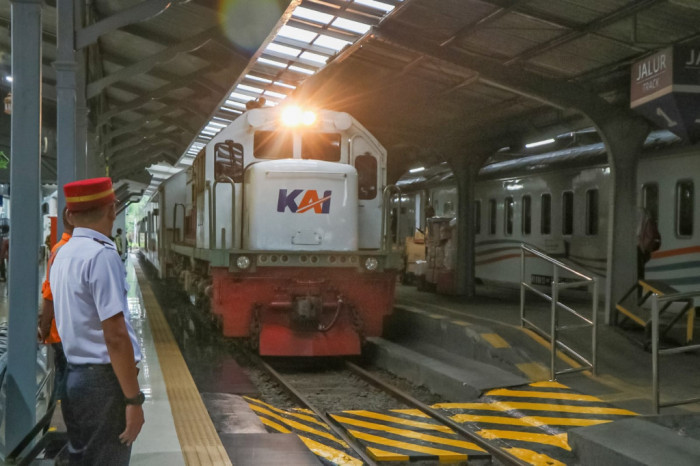
Jenis Kereta Api Berdasarkan Tenaga Penggeraknya – Setiap tanggal 28 September, Indonesia memperingati Hari Kereta Api Nasional. Momen ini bukan sekadar seremoni, melainkan pengingat panjangnya sejarah transportasi rel di tanah air yang sudah dimulai sejak tahun 1864. Kala itu, pembangunan jalur pertama rute Semarang-Vorstenlanden (Solo-Yogyakarta) menjadi tonggak awal peradaban transportasi modern di Nusantara.
Seiring berjalannya waktu, kereta api terus bertransformasi. Dari yang dulunya lambat dan penuh kepulan asap, kini menjadi moda transportasi super cepat yang modern. Namun, tahukah kamu bahwa perbedaan utama dari berbagai jenis kereta tersebut terletak pada “jantung” atau tenaga penggeraknya? Yuk, kita bedah satu per satu jenis kereta api berdasarkan sumber tenaganya.
1. Kereta Api Uap: Sang Legenda Penuh Kenangan
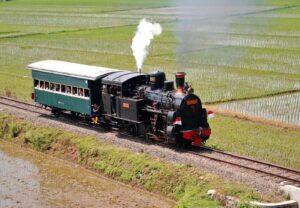
Mungkin kamu sering melihatnya di film-film bertema sejarah atau di museum transportasi. Kereta api uap adalah cikal bakal dari seluruh sistem perkeretaapian dunia. Cara kerjanya cukup unik dan mekanis. Bayangkan sebuah ketel raksasa yang berisi air, lalu di bawahnya dibakar kayu atau batu bara hingga mendidih.
Uap panas yang dihasilkan dari proses pendidihan ini kemudian dialirkan untuk menekan piston. Tekanan kuat inilah yang nantinya memutar roda-roda besar kereta. Meskipun saat ini sudah tidak digunakan sebagai moda transportasi utama karena dianggap kurang efisien dan menimbulkan polusi udara yang pekat, kereta uap masih tetap eksis di beberapa tempat wisata sejarah, seperti di Ambarawa, Jawa Tengah.
2. Kereta Api Diesel: Si Pekerja Keras yang Andal
Setelah era uap mulai meredup, muncullah kereta api diesel. Seperti namanya, kereta ini menggunakan bahan bakar solar. Di Indonesia, lokomotif diesel adalah pemandangan sehari-hari yang kita lihat saat bepergian jarak jauh antarkota. Secara teknis, ada dua jenis penggerak diesel yang populer:
-
Diesel Hidraulik: Menggunakan transmisi oli untuk menggerakkan roda.
-
Diesel Elektrik: Mesin diesel memutar generator untuk menghasilkan listrik, dan listrik itulah yang menggerakkan motor pada roda.
Contoh nyata yang mungkin akrab bagi warga Yogyakarta dan Solo adalah Kereta Rel Diesel Elektrik (KRDE) seperti Prambanan Ekspres (Prameks). Kereta jenis ini sangat tangguh dan menjadi tulang punggung transportasi darat selama puluhan tahun.
3. Kereta Rel Listrik (KRL): Solusi Modern Masyarakat Urban
Bagi warga Jabodetabek, kereta api listrik atau yang kini populer dengan sebutan Commuter Line adalah “penyelamat” dari kemacetan jalan raya. Berbeda dengan diesel, kereta ini sama sekali tidak membawa bahan bakar di dalam rangkaiannya.
Lantas, dari mana energinya? Jika kamu perhatikan di atas jalur rel KRL, terdapat kabel-kabel melintang. Itulah kabel listrik aliran atas. Di atap kereta, terdapat alat bernama pantograf yang bertugas menempel pada kabel tersebut untuk menyerap daya listrik dan menyalurkannya ke mesin. Karena menggunakan listrik, kereta ini jauh lebih ramah lingkungan, tidak berisik, dan sangat efektif untuk transportasi massa di kota besar.
4. Kereta Maglev: Teknologi Masa Depan yang Melayang
Jenis terakhir adalah yang paling canggih, yakni Maglev (Magnetic Levitation). Saat ini, Indonesia memang belum memilikinya karena biaya pembangunannya yang sangat tinggi, namun teknologi ini sudah jamak ditemukan di negara maju seperti Jepang dan Jerman.
Sesuai namanya, kereta ini mengandalkan kekuatan magnet untuk bergerak. Keunikan utamanya adalah kereta ini tidak menyentuh rel sama sekali. Badan kereta seolah “melayang” beberapa sentimeter di atas lintasan berkat gaya tolak-menolak magnet. Karena tidak ada gesekan antara roda dan rel, Maglev mampu melaju dengan kecepatan fantastis, bahkan menembus angka 400 hingga 600 km/jam!
Dari uap air yang sederhana hingga kekuatan magnet yang futuristik, teknologi kereta api menunjukkan betapa hebatnya inovasi manusia dalam berpindah tempat. Di Indonesia sendiri, kita sedang bertransformasi menuju sistem yang lebih cepat dan elektrik, demi kenyamanan mobilitas di masa depan.