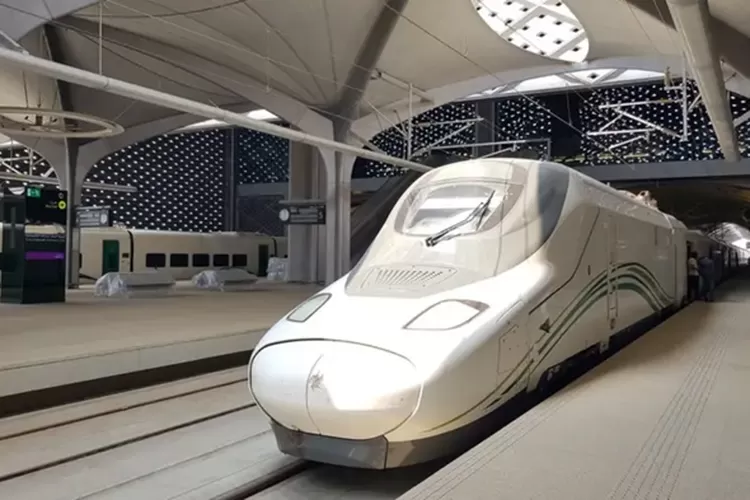
Proyek Kereta Cepat Land Bridge Saudi Mengubah Peta Dunia – Arab Saudi kembali mengguncang dunia infrastruktur dengan meresmikan salah satu mega proyek paling ambisius dalam sejarah modern mereka. Melalui proyek bertajuk “Land Bridge”, Kerajaan Arab Saudi tengah membangun jalur kereta cepat yang menghubungkan dua perairan strategis: Laut Merah di sisi barat dan Teluk Arab di sisi timur. Dengan nilai investasi fantastis mencapai US$7 miliar atau sekitar Rp112 triliun, proyek ini digadang-gadang sebagai urat nadi transportasi terpenting di Timur Tengah.
Memangkas Waktu Tempuh: Dari 12 Jam Menjadi Kurang dari 4 Jam
Salah satu daya tarik utama dari jalur kereta cepat Land Bridge ini adalah efisiensi waktu yang ditawarkannya. Bayangkan, perjalanan darat dari ibu kota Riyadh ke Jeddah yang biasanya memakan waktu hingga 12 jam melintasi gurun yang terik, nantinya akan menyusut drastis menjadi kurang dari 4 jam saja.
Jalur sepanjang 1.500 kilometer ini akan membelah semenanjung Arab, menciptakan konektivitas kilat yang sebelumnya dianggap mustahil. Tidak heran jika banyak pakar transportasi menyebutnya sebagai “Keajaiban Gurun”. Kecepatan operasional kereta yang dipesan oleh Otoritas Perkeretaapian Saudi (SAR) mencapai 200 km/jam, yang didukung oleh 15 rangkaian kereta canggih untuk tahap awal.
Strategi Inti Saudi Vision 2030 dan Diversifikasi Ekonomi
Proyek Land Bridge bukanlah sekadar pembangunan rel kereta api biasa. Ini adalah pilar utama dari Saudi Vision 2030, sebuah visi besar yang diinisiasi oleh Putra Mahkota Mohammed bin Salman (MBS). Tujuan utamanya sangat jelas: melepaskan ketergantungan ekonomi Arab Saudi dari sektor minyak bumi dan bertransformasi menjadi pusat logistik, pariwisata, dan teknologi global.
Dengan tuntasnya proyek ini, total jaringan kereta api di Arab Saudi akan melonjak dari 5.300 km menjadi lebih dari 8.000 km. Penambahan kapasitas ini akan menempatkan Arab Saudi sebagai pemain kunci dalam peta distribusi barang dunia. Jalur ini akan menghubungkan Pelabuhan Raja Abdullah dengan kawasan industri raksasa seperti Yanbu, memungkinkan arus barang dari Eropa ke Asia (dan sebaliknya) mengalir lebih cepat tanpa harus selalu bergantung pada jalur pelayaran yang memutar.
Inovasi Kereta Hidrogen dan Komitmen Transisi Hijau
Di balik kemegahan konstruksinya, Arab Saudi juga menyuntikkan nilai-nilai keberlanjutan. Di tengah tren global menuju energi bersih, SAR telah mulai mengembangkan kereta hidrogen ramah lingkungan. Ini adalah langkah revolusioner di kawasan Timur Tengah, di mana teknologi hijau diintegrasikan ke dalam transportasi skala besar.
Pengembangan teknologi hidrogen ini membuktikan bahwa proyek Land Bridge tidak hanya mengejar kecepatan dan kapasitas, tetapi juga memperhatikan dampak lingkungan. Hal ini sejalan dengan komitmen “Saudi Green Initiative” yang bertujuan mengurangi emisi karbon secara signifikan di sektor transportasi dan industri.
Dampak Bagi Sektor Logistik dan Pariwisata Global
Secara geopolitik dan ekonomi, Land Bridge Saudi akan mengubah aturan main di Timur Tengah. Dengan menghubungkan Jeddah dan Dammam, Saudi menciptakan koridor darat yang sangat kompetitif bagi perusahaan logistik internasional. Sektor kargo akan mendapatkan keuntungan terbesar, karena pemindahan barang dari pelabuhan ke pusat industri akan menjadi jauh lebih murah dan efisien.
Selain itu, sektor pariwisata juga akan terdongkrak. Aksesibilitas bagi jamaah umrah maupun wisatawan internasional yang ingin mengeksplorasi keindahan Laut Merah hingga kemegahan kota Riyadh akan terbuka lebar. Konektivitas ini diharapkan mampu menarik jutaan pengunjung baru setiap tahunnya, memperkuat posisi Saudi sebagai destinasi wisata unggulan di masa depan.
Menuju Era Baru Transportasi Darat
Proyek Land Bridge senilai Rp112 triliun ini adalah bukti nyata bahwa Arab Saudi sedang berlari kencang menuju masa depan. Dengan menggabungkan teknologi kereta cepat, inovasi energi hijau, dan visi ekonomi yang tajam, mereka tidak hanya sedang membangun rel, tetapi sedang membangun fondasi bagi kejayaan baru di abad ke-21.
Dunia kini menanti penyelesaian “Keajaiban Gurun” ini, yang dipastikan akan menjadi standar baru bagi infrastruktur transportasi global di masa mendatang.