Railway Systems Past Present and Future Explained – Railway systems have played a crucial role in shaping modern civilization. From the early days of steam-powered locomotives to today’s high-speed electric trains, rail transport has continuously evolved to meet the demands of society. Understanding the past, present, and future of railway systems helps us see why trains remain one of the most reliable and important transportation methods in the world.
This article explores how railway systems began, how they operate today, and where they are heading in the future, with a clear and friendly explanation for readers of all backgrounds.
The Early History of Railway Systems
The history of railway systems dates back to the early 19th century, during the Industrial Revolution. At that time, growing industries needed faster and more efficient ways to transport raw materials and finished goods. Traditional road transport using horses and carts was slow and expensive, which created the perfect opportunity for railways to emerge.
The first railway systems used steam locomotives powered by coal. These early trains ran on iron tracks and were mainly designed to move heavy cargo such as coal, iron, and agricultural products. Soon after, passenger railways began to appear, transforming how people traveled between cities and regions.
Steam Power and Industrial Growth
Steam-powered trains quickly became symbols of progress. They allowed factories to expand, cities to grow, and trade to flourish. Railways connected rural areas to urban centers, creating new economic opportunities and changing daily life forever.
Despite their benefits, early railway systems also had limitations. Steam locomotives required constant maintenance, consumed large amounts of fuel, and produced significant pollution. Even so, for many decades, steam trains dominated railway networks across Europe, North America, and parts of Asia.
The Transition to Modern Railway Systems
As technology advanced, railway systems began to change. The 20th century marked a major transition from steam power to diesel and electric trains. This shift improved efficiency, reduced operating costs, and made rail transport more reliable.
Diesel locomotives became popular because they were easier to maintain and could travel longer distances without refueling. Electric trains, on the other hand, offered cleaner energy use and better performance, especially in urban and suburban networks.
Railway Systems in the Present Day
Today, railway systems are more advanced than ever. Modern trains are designed with passenger comfort, safety, and speed in mind. Many countries rely on rail transport as a backbone of public transportation, moving millions of people every day.
High-speed rail systems are a perfect example of how far railway technology has come. Trains capable of traveling over 300 kilometers per hour now connect major cities in countries like Japan, France, and China. These systems reduce travel time significantly and offer a strong alternative to air travel for medium-distance routes.
Digital signaling systems, automated controls, and real-time monitoring have also improved railway safety. Accidents are far less common compared to the early days, making trains one of the safest modes of transportation.
The Importance of Railway Systems in Modern Society
Railway systems play a vital role in supporting economic growth and sustainable development. They provide an efficient way to transport goods, reduce traffic congestion, and lower carbon emissions compared to road transport.
In many urban areas, commuter rail and metro systems help reduce dependence on private cars. This not only saves time for commuters but also helps cities manage pollution and energy consumption.
Freight railways are equally important. They move massive quantities of goods across long distances, supporting global supply chains. From food and fuel to construction materials, railway systems keep industries running smoothly.
The Future of Railway Systems
Looking ahead, the future of railway systems is focused on innovation, sustainability, and smart technology. Governments and private companies are investing heavily in next-generation rail solutions to meet growing transportation demands.
Green and Sustainable Rail Transport
One of the main goals for future railway systems is reducing environmental impact. Electric trains powered by renewable energy sources are becoming more common. Hydrogen-powered trains are also being tested as a cleaner alternative for routes where electrification is difficult.
These green railway systems aim to lower carbon emissions while maintaining high performance. As climate concerns grow, rail transport is expected to play an even bigger role in sustainable mobility.
Smart Technology and Automation
Automation is another major trend shaping the future of railway systems. Driverless trains are already operating in some metro networks around the world. Advanced sensors, artificial intelligence, and data analytics help optimize train schedules, improve safety, and reduce delays.
Smart railway infrastructure allows operators to predict maintenance needs before problems occur. This reduces downtime and extends the lifespan of railway assets, making systems more cost-effective in the long run.
Expanding High-Speed Rail Networks
High-speed rail continues to expand globally. Many countries are planning new routes to connect major economic hubs. These projects aim to reduce travel time, boost regional development, and provide a competitive alternative to short-haul flights.
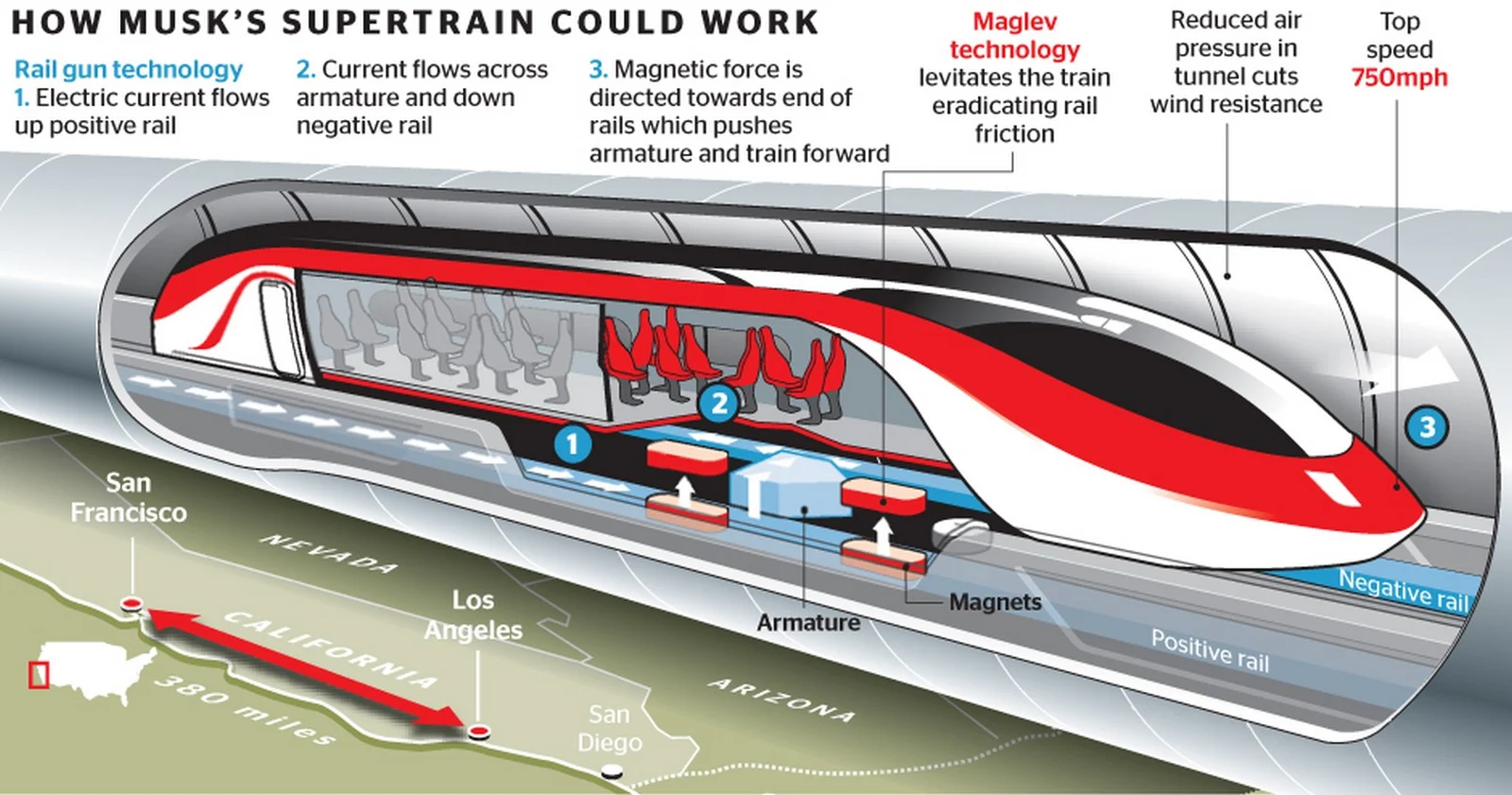
In the future, even faster train technologies such as magnetic levitation systems may become more widespread. These trains have the potential to reach incredible speeds while offering a smooth and quiet ride.
Why Railway Systems Will Remain Relevant
Despite rapid changes in transportation technology, railway systems are expected to remain highly relevant. Their ability to move large numbers of people and goods efficiently gives them a unique advantage over other transport modes.
Railways also adapt well to technological change. From steam engines to electric power and now smart automation, railway systems have proven their ability to evolve with the times.
As cities grow and environmental challenges increase, trains offer a practical solution that balances speed, capacity, and sustainability. This makes railway systems an essential part of future transportation planning.
Conclusion
Railway systems have come a long way since their humble beginnings in the Industrial Revolution. From steam-powered locomotives to high-speed electric trains, they have continuously adapted to meet the needs of society. Today, modern railway systems support economic growth, improve mobility, and contribute to a cleaner environment.
Looking forward, innovations in green energy, automation, and high-speed technology will shape the next chapter of railway development. By understanding the past, present, and future of railway systems, it becomes clear why trains will continue to play a key role in global transportation for generations to come.