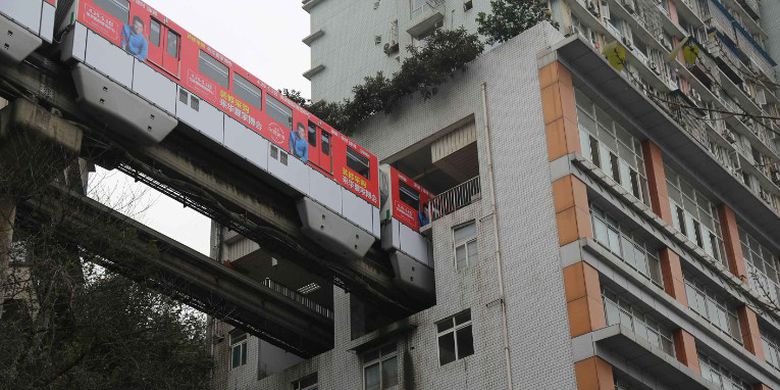
Menjelajahi 7 Jalur Kereta Api Paling Unik di Dunia | Kereta api sering kali dianggap sebagai moda transportasi yang kaku dan membosankan karena jalurnya yang statis. Namun, sejarah panjang perkembangan transportasi rel telah melahirkan berbagai inovasi arsitektur yang luar biasa. Di beberapa belahan dunia, jalur kereta api tidak hanya berfungsi sebagai sarana mobilisasi, tetapi juga menjadi atraksi wisata karena lokasinya yang tak lazim dan menantang nalar.
Jika Anda bosan dengan pemandangan stasiun yang itu-itu saja, berikut adalah tujuh jalur kereta api paling unik di dunia yang akan membuat Anda terpana.
1. Hindenburgdamm, Jerman: Sensasi Membelah Lautan
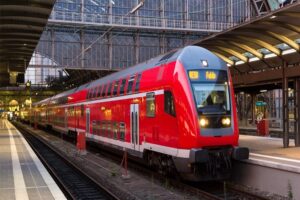
Pernahkah Anda membayangkan duduk di dalam gerbong kereta sementara di kanan dan kiri jendela hanya terlihat hamparan air laut yang luas? Di Jerman, hal ini benar-benar ada. Jalur Hindenburgdamm menghubungkan daratan utama Schleswig-Holstein dengan Pulau Sylt.
Dibuka sejak tahun 1927, jalur sepanjang 11 km ini dibangun di atas tanggul raksasa di tengah Laut Utara. Setiap harinya, ratusan kereta melintas di atas jalur ini, memberikan sensasi seolah-olah kereta sedang berlayar di atas permukaan air.
2. Chongqing, Tiongkok: Kereta yang “Menembus” Apartemen
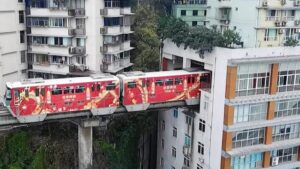
Keterbatasan lahan di kota metropolitan yang padat penduduk sering kali menuntut solusi ekstrem. Di distrik Chongqing, Tiongkok, pemerintah setempat tidak membangun terowongan bawah tanah, melainkan jalur kereta yang menembus gedung apartemen berpenghuni.
Alih-alih merobohkan bangunan, pengembang menyediakan lantai enam dan tujuh sebagai stasiun dan perlintasan. Uniknya, meskipun kereta melintas tepat di tengah gedung, teknologi peredam suara yang canggih membuat penghuninya tidak terganggu oleh kebisingan. Jalur ini kini menjadi magnet bagi wisatawan yang ingin mengabadikan momen langka tersebut.
3. Bandara Gisborne, Selandia Baru: Persimpangan Rel dan Landasan Pacu
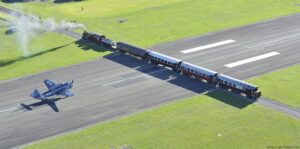
Biasanya, jalur kereta api bersinggungan dengan jalan raya. Namun, di Bandara Gisborne, Selandia Baru, rel kereta api justru memotong langsung landasan pacu pesawat (runway). Ini adalah salah satu dari sedikit tempat di dunia di mana masinis dan pilot harus saling berbagi jalan.
Petugas kontrol lalu lintas udara harus bekerja ekstra teliti untuk memastikan tidak ada kereta yang melintas saat pesawat hendak lepas landas atau mendarat. Sinkronisasi waktu adalah kunci utama keselamatan di jalur ekstrem ini.
4. Stasiun Gyeonghwa, Korea Selatan: Jalur Paling Romantis
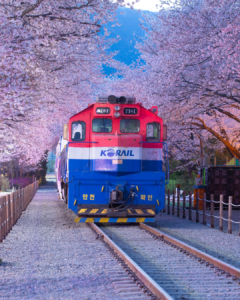
Bagi pecinta drama Korea, jalur kereta di Stasiun Gyeonghwa, Jinhae, adalah destinasi impian. Jalur ini dikenal sebagai yang paling romantis karena diapit oleh ratusan pohon sakura. Saat musim semi tiba, kelopak bunga berwarna merah muda akan berguguran menutupi rel, menciptakan lorong bunga yang indah. Saat kereta melintas perlahan, embusan angin akan menerbangkan bunga-bunga tersebut, menciptakan pemandangan yang sangat instagramable.
5. Jembatan Spiral Brusio, Swiss: Keajaiban Teknik Arsitektur
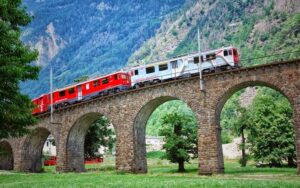
Swiss dikenal dengan pemandangan pegunungannya yang terjal. Untuk mengatasi perbedaan ketinggian yang drastis dalam jarak pendek, para insinyur membangun Jembatan Spiral Brusio. Jalur ini berbentuk lingkaran atau spiral 360 derajat.
Bentuk unik ini memungkinkan kereta api menambah atau mengurangi ketinggian secara bertahap tanpa risiko tergelincir. Selain kecanggihan tekniknya, jembatan ini menawarkan pemandangan pegunungan Alpen yang memanjakan mata bagi para penumpangnya.
6. Maeklong Market, Thailand: Pasar yang “Tunduk” pada Kereta

Pasar Maeklong di Thailand mungkin adalah pasar paling mendebarkan di dunia. Bayangkan, lapak-lapak pedagang sayur dan buah digelar tepat di atas rel aktif. Saat klakson kereta berbunyi, para pedagang dengan tenang melipat kanopi mereka dan menggeser barang dagangan hanya beberapa sentimeter dari badan kereta. Begitu kereta lewat, pasar kembali beroperasi normal seolah tidak terjadi apa-apa. Fenomena ini menjadi daya tarik luar biasa bagi turis mancanegara.
7. Angels Flight, Los Angeles: Jalur Kereta Terpendek di Dunia
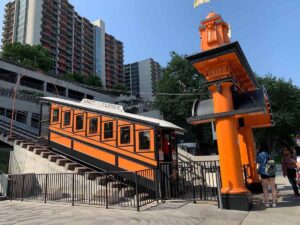
Jika biasanya jalur kereta membentang ratusan kilometer, Angels Flight di Los Angeles hanya memiliki panjang lintasan tidak lebih dari 100 meter (sekitar 91 meter). Terletak di kawasan Bunker Hill, kereta bertipe funicular ini berfungsi untuk membawa penumpang melewati tanjakan curam yang menghubungkan dua jalan utama. Meskipun sangat pendek, jalur ini merupakan salah satu tengara sejarah kota dan diklaim mampu mengangkut lebih banyak penumpang per mil dibandingkan jalur kereta lainnya.