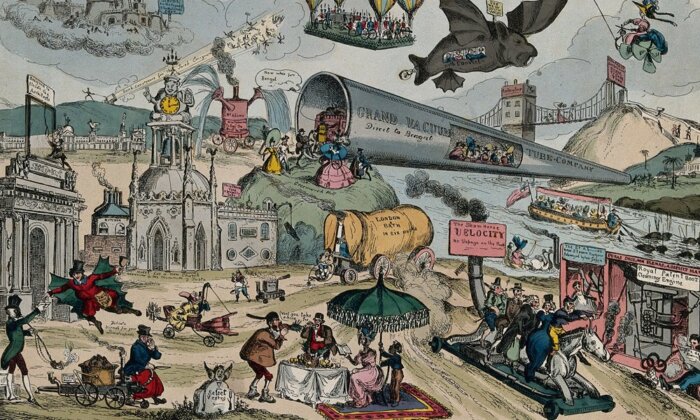
Train Tales History Routes and Modern Tech
Train Tales History Routes and Modern Tech – Railways have a way of feeling timeless. Even as cities change, trains keep rolling along the same iron paths, carrying stories from one generation to the next. From the earliest steam engines to today’s sleek, high-speed lines, trains have shaped the way we travel, work, and connect with the world. This article explores the fascinating journey of trains, the most iconic routes, and how modern technology is transforming rail travel today.
The Birth of Train Travel: A Story of Steam and Steel
The history of trains is a story of innovation and ambition. Before railways, long-distance travel was slow, expensive, and often dangerous. The arrival of steam-powered locomotives in the early 19th century changed everything. Suddenly, people could travel farther, faster, and more reliably than ever before.
Early railways were built mainly for moving goods. Coal, iron, and raw materials needed to reach factories quickly. But as rail networks expanded, passenger travel became a natural next step. The first public passenger railway opened in 1825, and it didn’t take long for rail travel to spread across Europe and North America.
Trains were more than just transportation. They symbolized progress. They connected distant towns, created new job opportunities, and helped cities grow. In many ways, railways became the backbone of modern industrial society.
Iconic Routes That Shaped the World
Some train routes are famous not just for their length or speed, but for the stories they carry. These routes became part of national identity, inspiring writers, filmmakers, and travelers for generations.
One of the most legendary routes is the Trans-Siberian Railway. Stretching across Russia, it’s the longest rail line in the world. Travelers on this route experience vast landscapes, from dense forests to frozen tundra. It’s not just a journey; it’s a living history lesson.
Another iconic route is the Orient Express. While its original luxury service ended decades ago, the legend of the Orient Express still captures the imagination. It represented glamour, mystery, and the romance of long-distance travel.
In Japan, the Shinkansen, also known as the bullet train, changed the world of rail travel. When it launched in the 1960s, it introduced the idea that trains could be fast, efficient, and incredibly reliable. It transformed commuting, business travel, and even city planning.
These routes remind us that railways are more than tracks and stations. They are stories of human ambition, culture, and connection.
Modern Technology: The Future of Rail Travel
While trains have a rich history, they are also very much part of the future. Modern rail technology is reshaping how trains operate, making travel faster, safer, and more efficient.
High-speed rail is one of the biggest changes in modern rail travel. Trains now reach speeds that were once thought impossible. This has made rail travel competitive with air travel, especially for trips under 500 miles. In many countries, high-speed trains are becoming the preferred choice for business travel and daily commuting.
But speed is not the only focus. Technology is also improving safety. Modern trains use advanced signaling systems that monitor speed and track conditions in real time. This reduces the risk of accidents and allows trains to run closer together without compromising safety.
Energy efficiency is another major trend. Many rail networks are shifting toward electric trains powered by renewable energy. This reduces carbon emissions and supports global efforts to fight climate change.
Even passenger experience has improved. Today’s trains offer better comfort, connectivity, and accessibility. Wi-Fi, charging ports, and smart ticketing systems make travel more convenient. Stations are also becoming smarter, with digital displays, mobile apps, and improved accessibility features.
Why Trains Still Matter in the Digital Age
In a world dominated by cars and airplanes, trains remain a vital part of modern transportation. They are efficient, cost-effective, and often more sustainable than other modes of travel.
Trains also play a key role in urban development. Cities with strong rail networks tend to have less traffic congestion and better air quality. Rail systems support daily commuting, making it easier for people to live in one area and work in another.
Railways also support tourism. Scenic train routes attract travelers who want to experience landscapes in a unique way. Train journeys can feel slower, but that pace allows people to enjoy the scenery and appreciate the journey itself.
The Human Side of Train Tales
At the heart of every railway is a human story. Trains connect families, friends, and communities. They carry passengers through moments of life that matter, from daily routines to once-in-a-lifetime adventures.
For many people, train travel feels personal. It’s a chance to watch the world pass by, to read, to think, or to simply enjoy the quiet rhythm of the rails. Even in an age of digital distraction, trains offer a space for reflection.
Train stations also carry their own stories. They are meeting points, gateways, and symbols of change. Some stations are architectural masterpieces, while others are simple and practical. But all of them share the same purpose: connecting people.
The Next Chapter in Rail History
The future of trains looks bright. Rail networks continue to expand, especially in regions where high-speed rail is becoming a major priority. Technology will keep improving safety, speed, and comfort.
At the same time, trains will continue to honor their history. The old steam engines and historic routes remain a powerful reminder of how far we’ve come. Train travel blends tradition with innovation, making it one of the most unique and enduring forms of transportation.
Whether you’re a history lover, a technology fan, or someone who simply enjoys the beauty of a long journey, train tales will always have something to offer. The tracks may be old, but the stories they carry are forever moving forward.